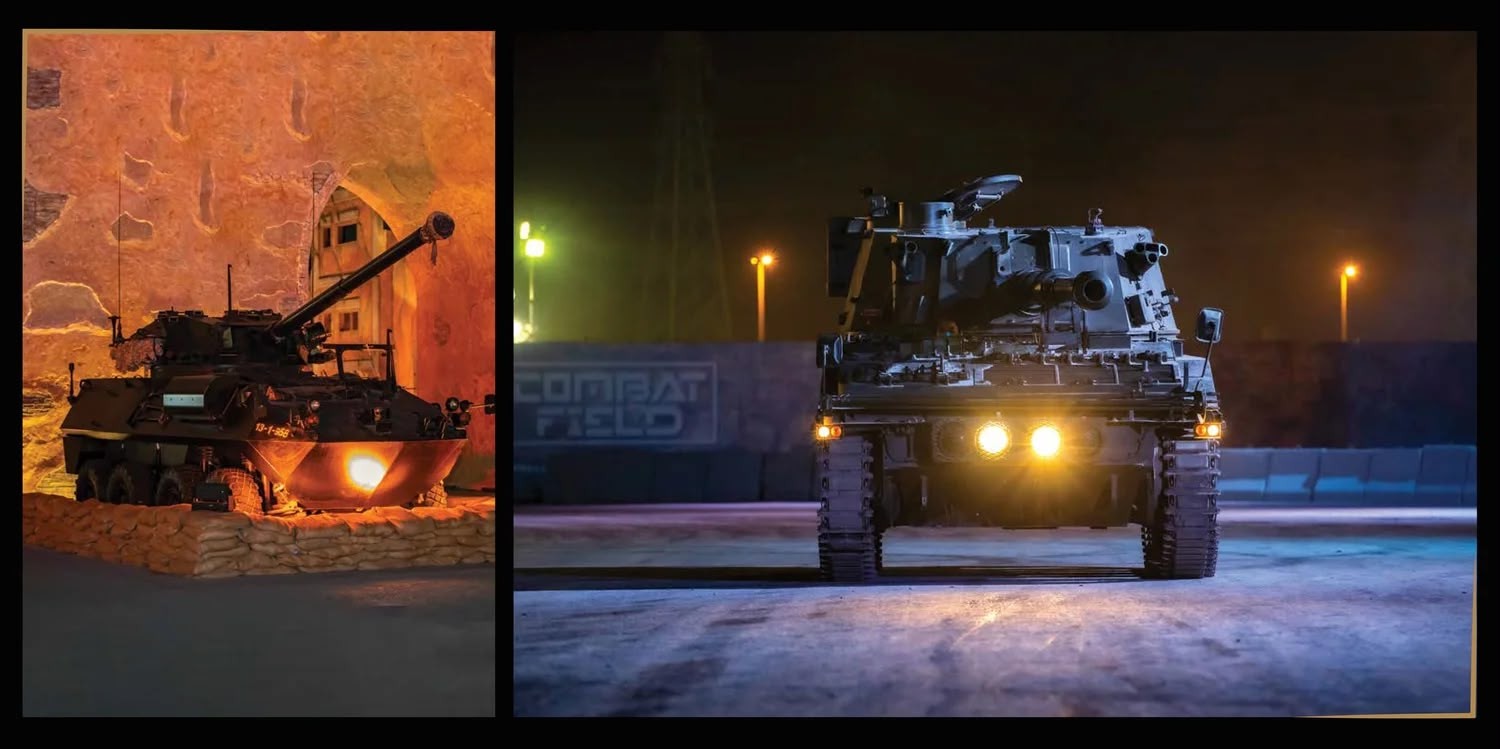
Welad Rizk 3
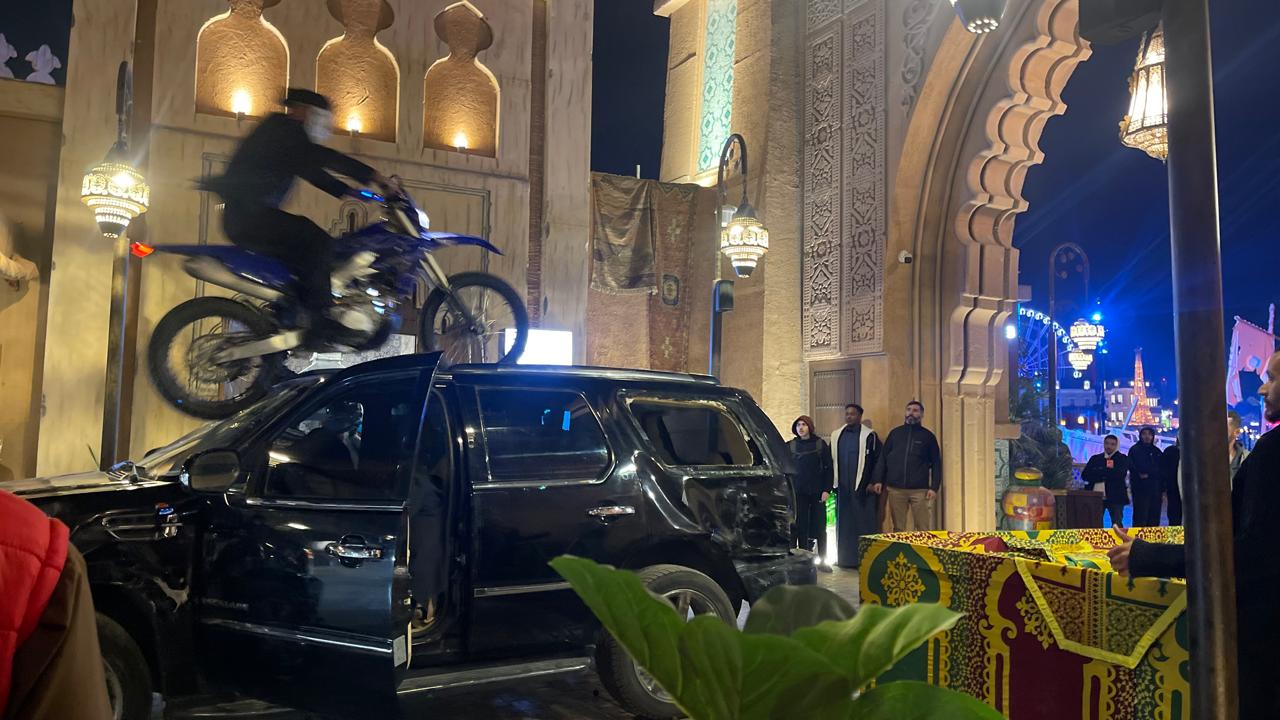
RAW Entertainment · Feature FilmShot in Saudi Arabia — the souq sets, street environments and stunt sequences of Welad Rizk 3, built and dressed for the camera.
Case study →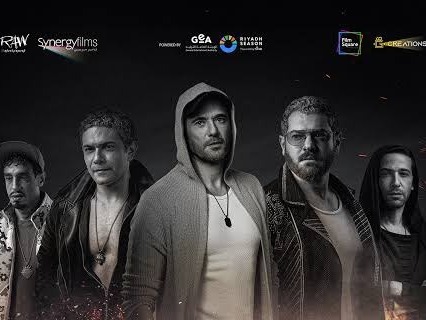
02 / Film & Ads
From written words to worlds you can step into. I take the story beyond the page — translating scripts into spaces, sets, atmospheres, and complete visual worlds built for the camera. From cinematic production design to commercial brand worlds, every detail is shaped around the story — designed to hold its presence on the big screen or make an impact in thirty seconds. The script tells the story. I build the world that brings it to life.
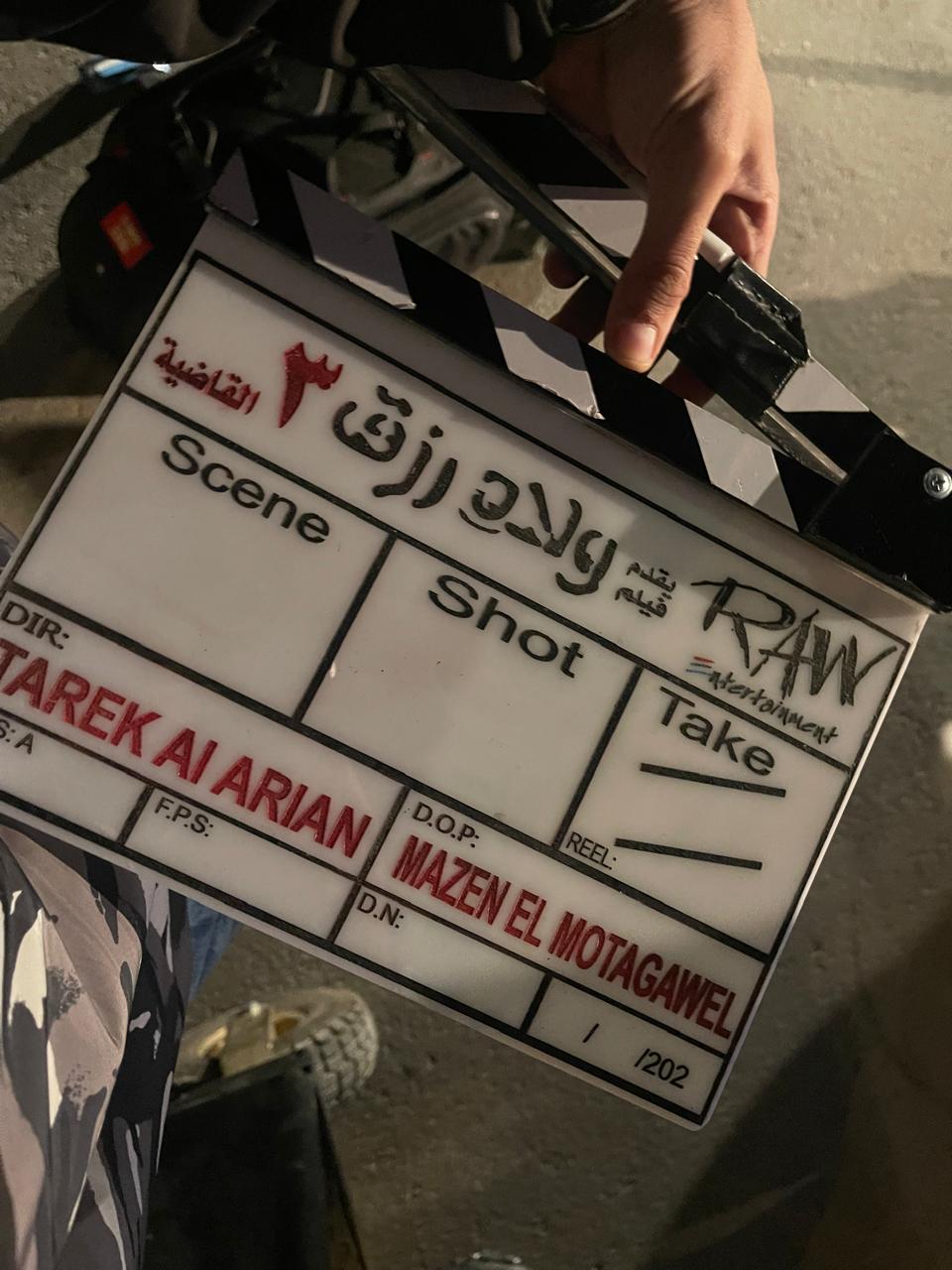
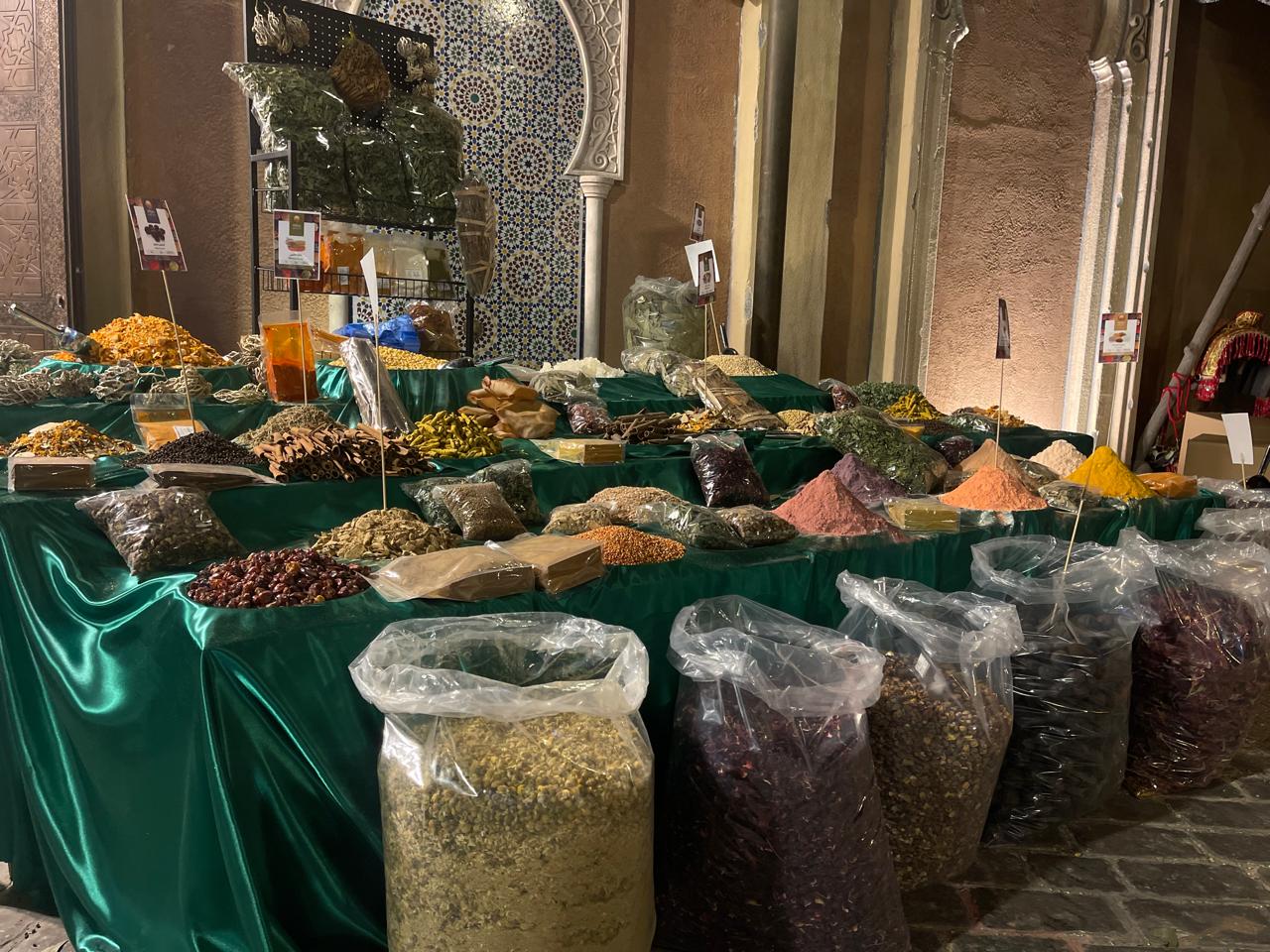
Shot in Saudi Arabia — the souq sets, street environments and stunt sequences of Welad Rizk 3, built and dressed for the camera.
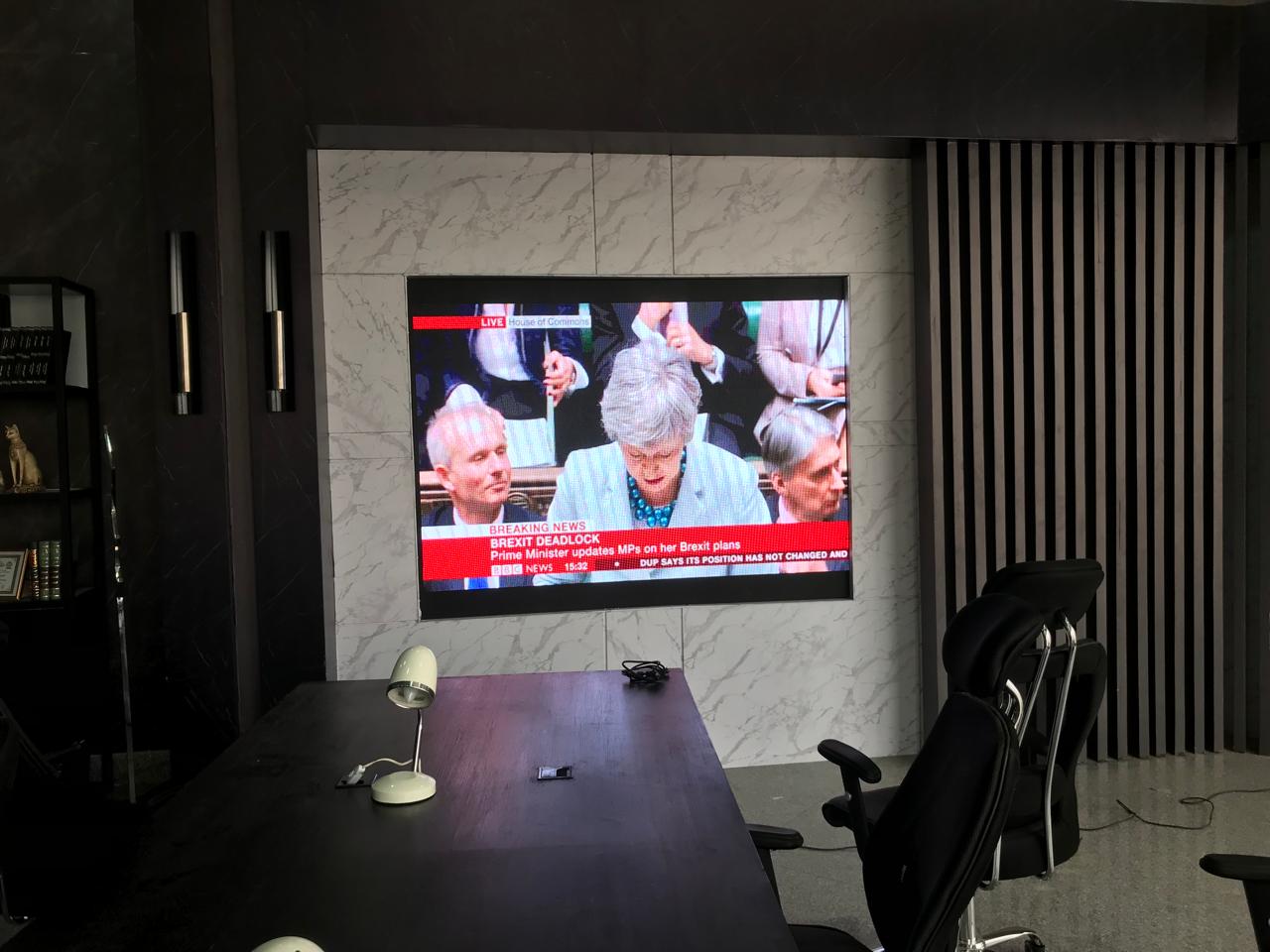
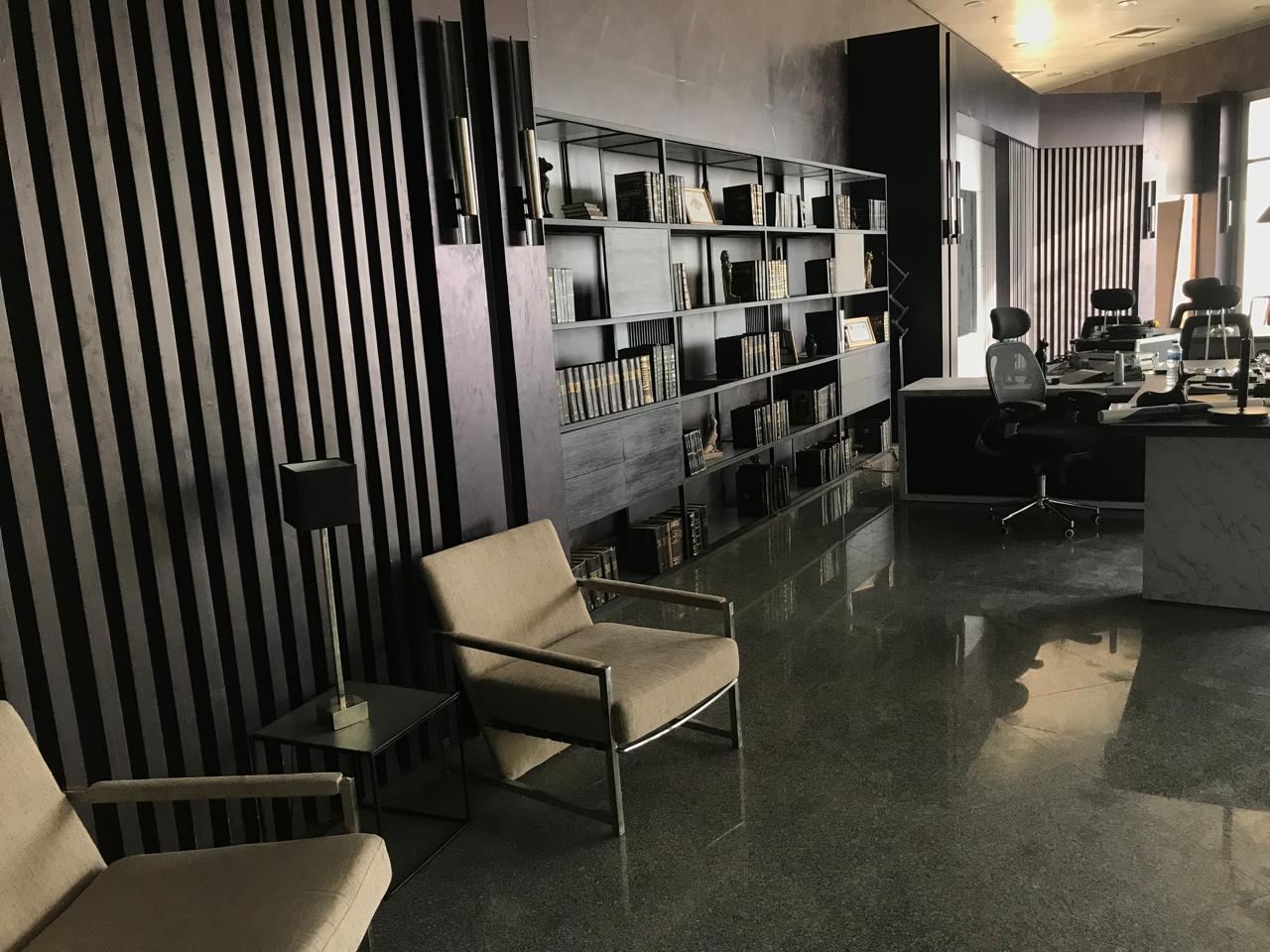
Case study →A spy thriller living inside screens — command centres, marble-walled offices and surveillance rooms where cybercrime and national security threats play out wall to wall.
Case study →
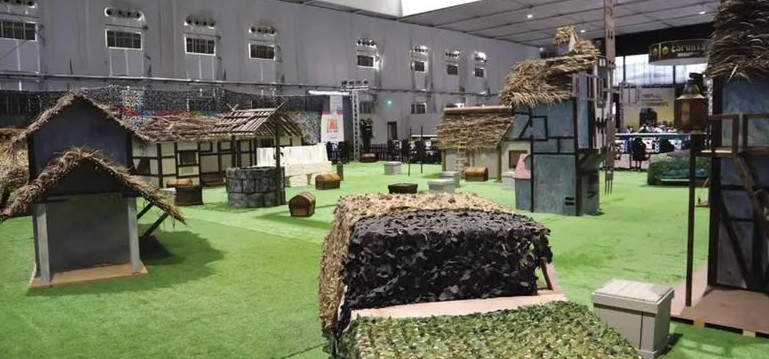
Set pieces from the game, at scale: crashed-plane centrepieces, camouflage netting and fractured rock walls surrounding rows of battle stations.
Case study →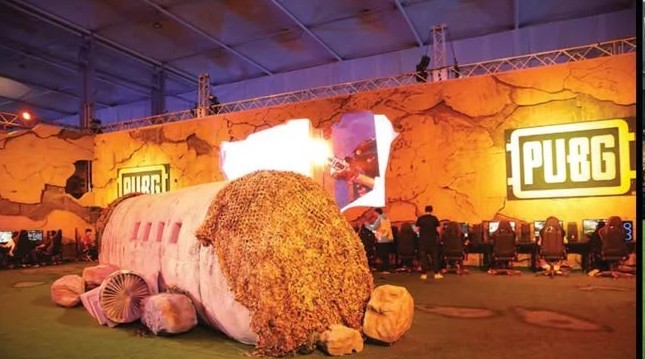
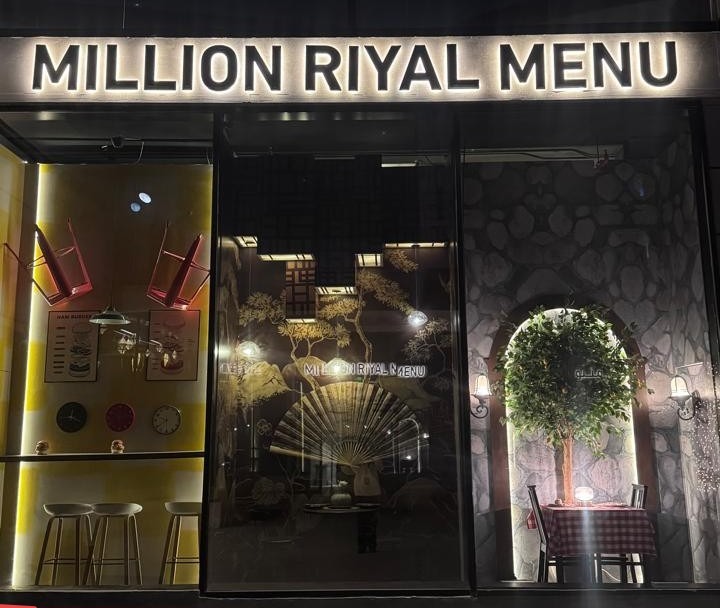
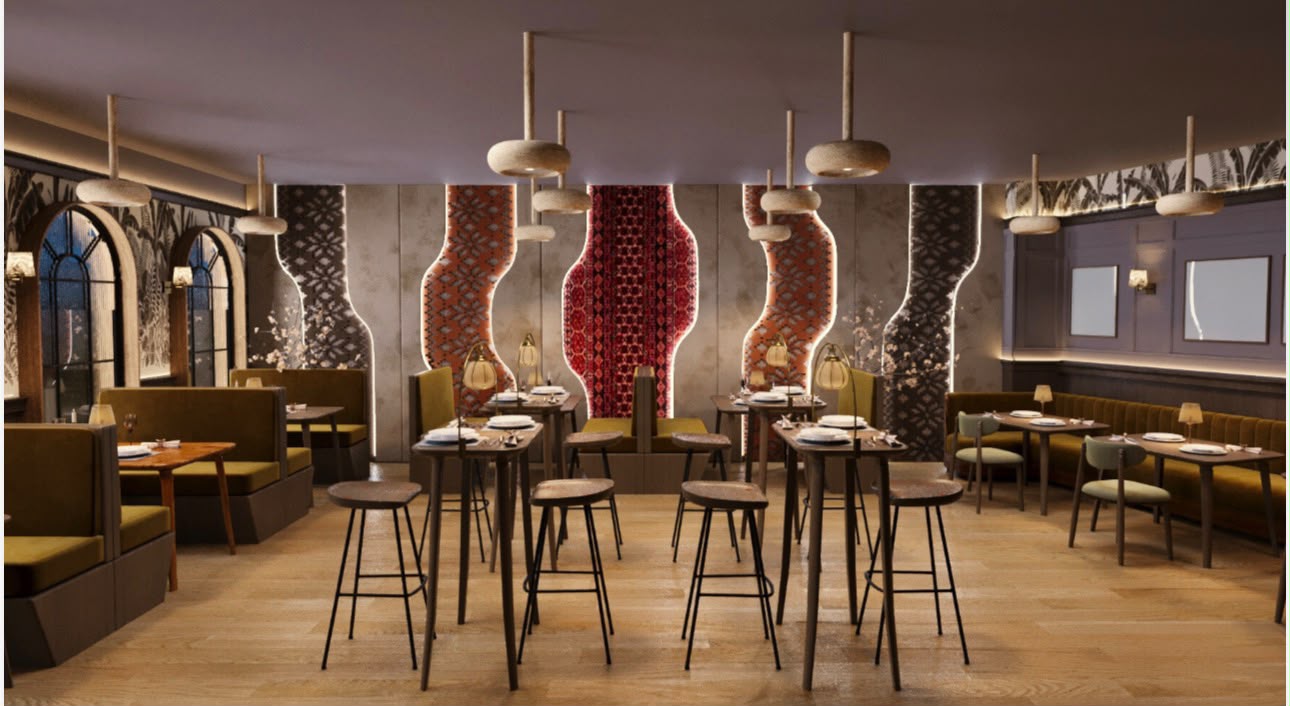
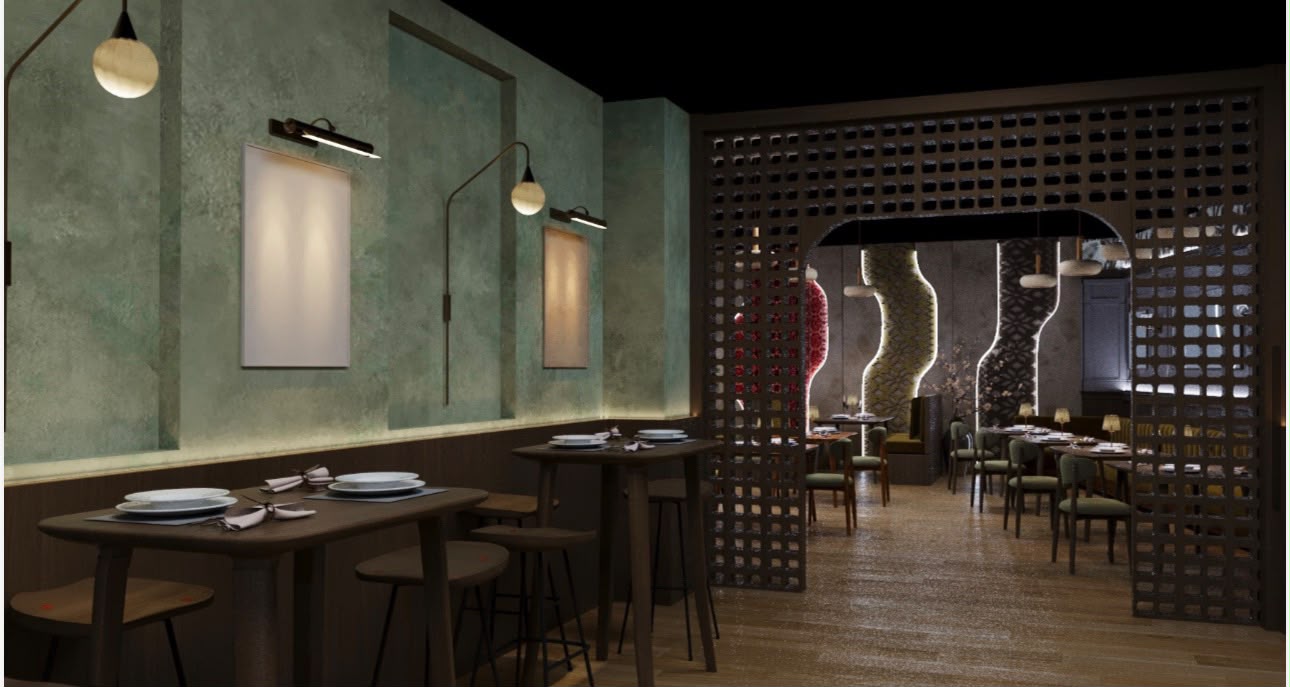
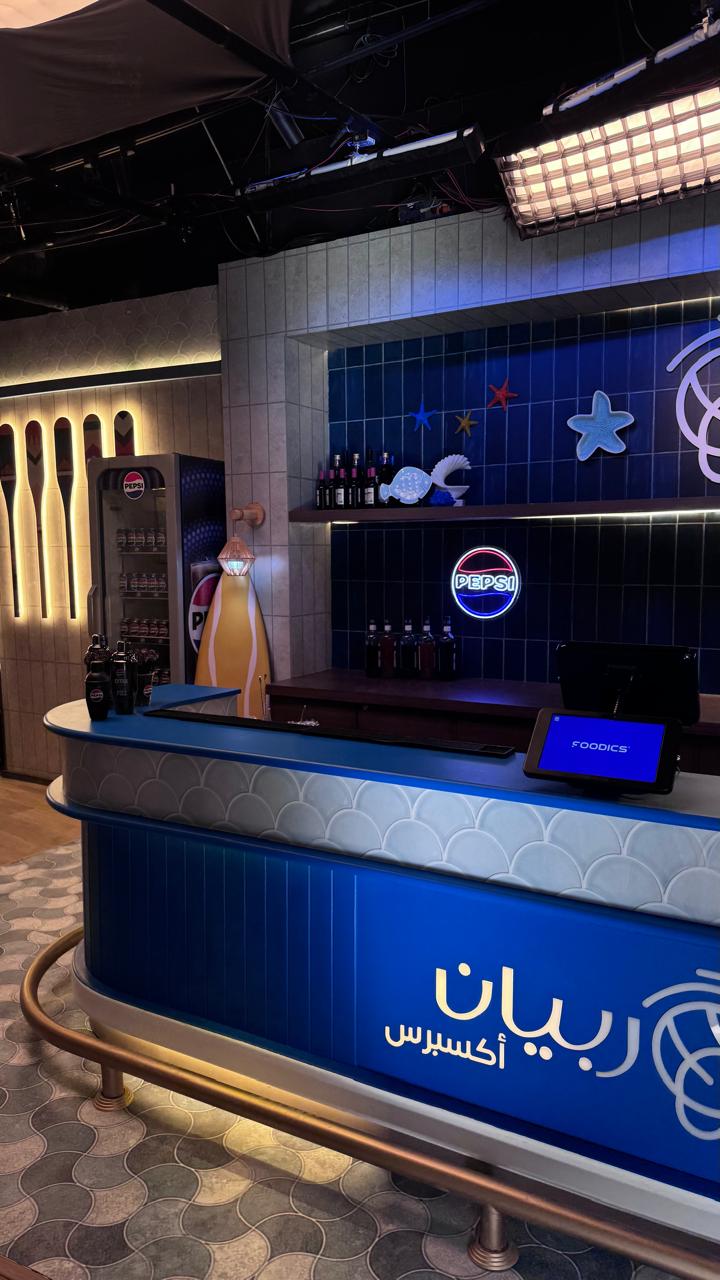
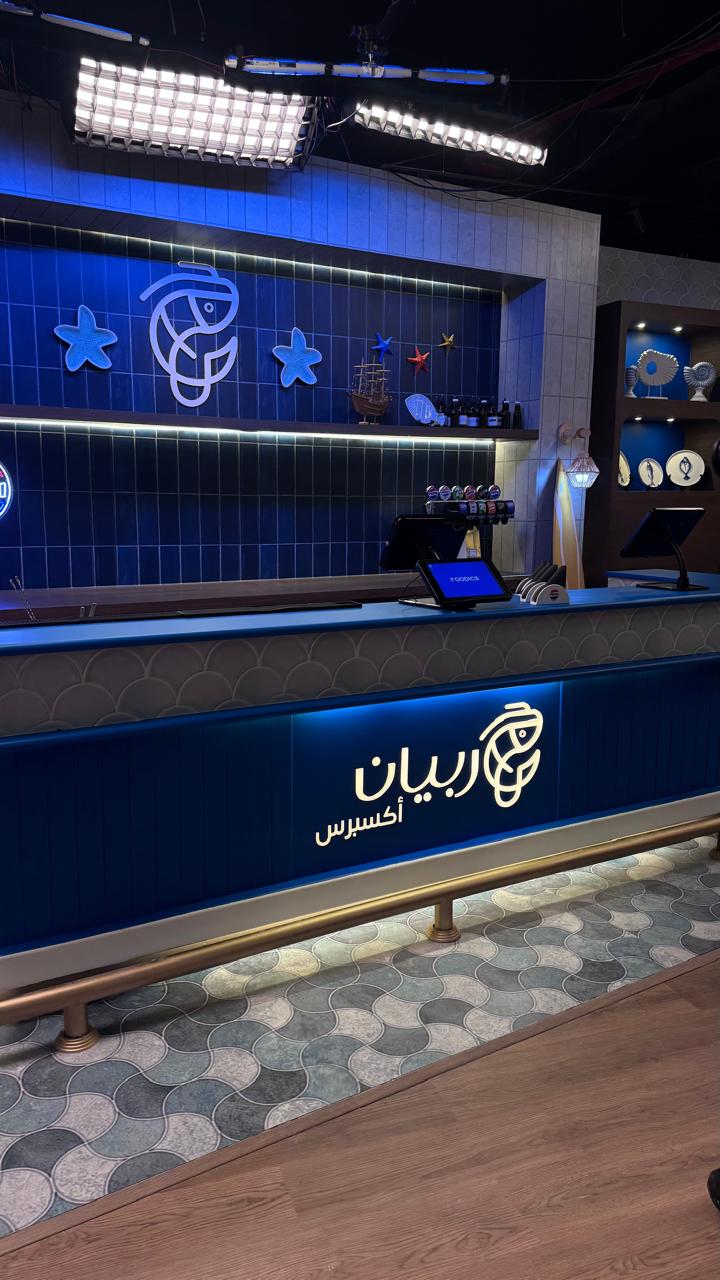
Phase Two of Million Riyal Menu built around a single main restaurant set — the program's core culinary stage, whose identity, mood and atmosphere evolve with every winning chef — plus the seafood restaurant sets built and dressed for camera.
Case study →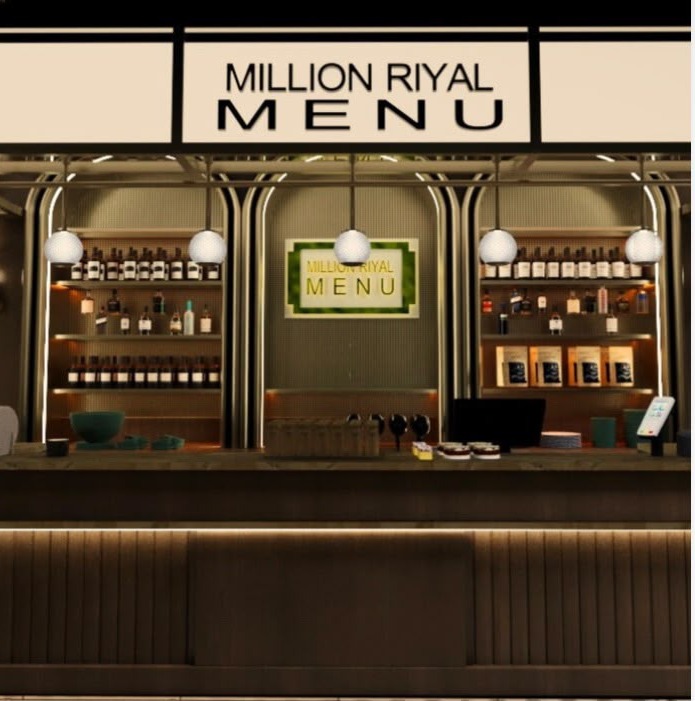
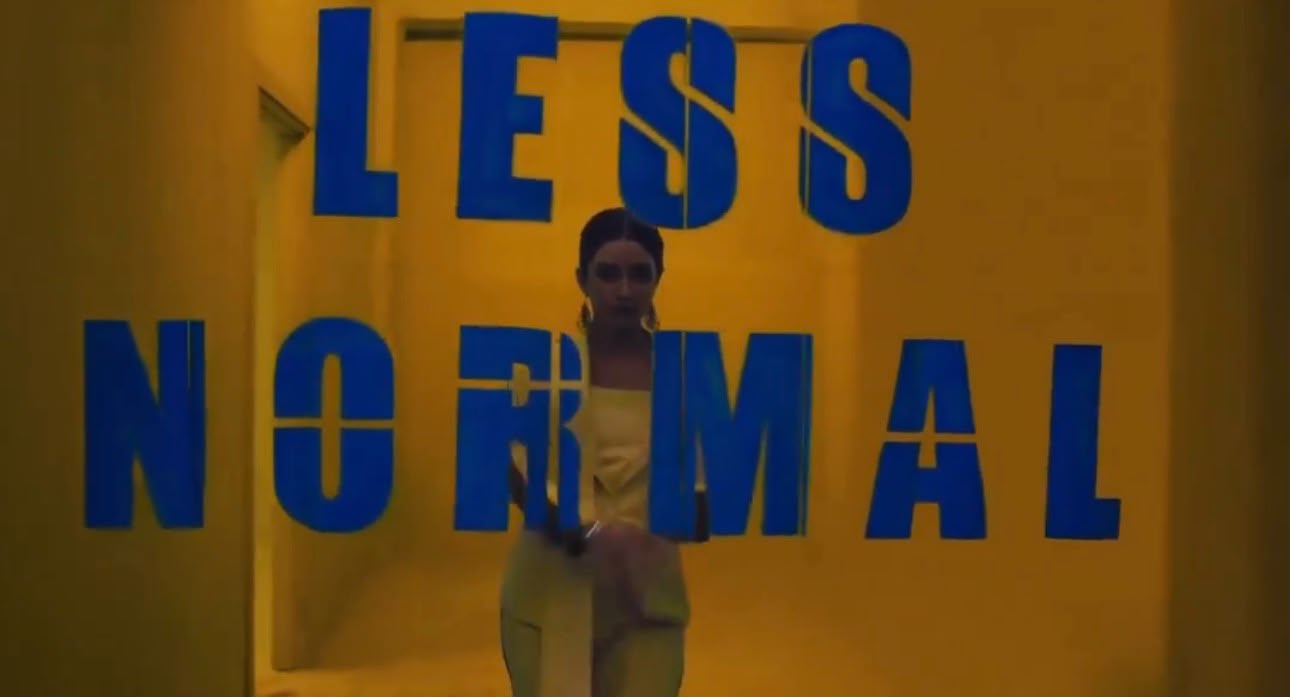
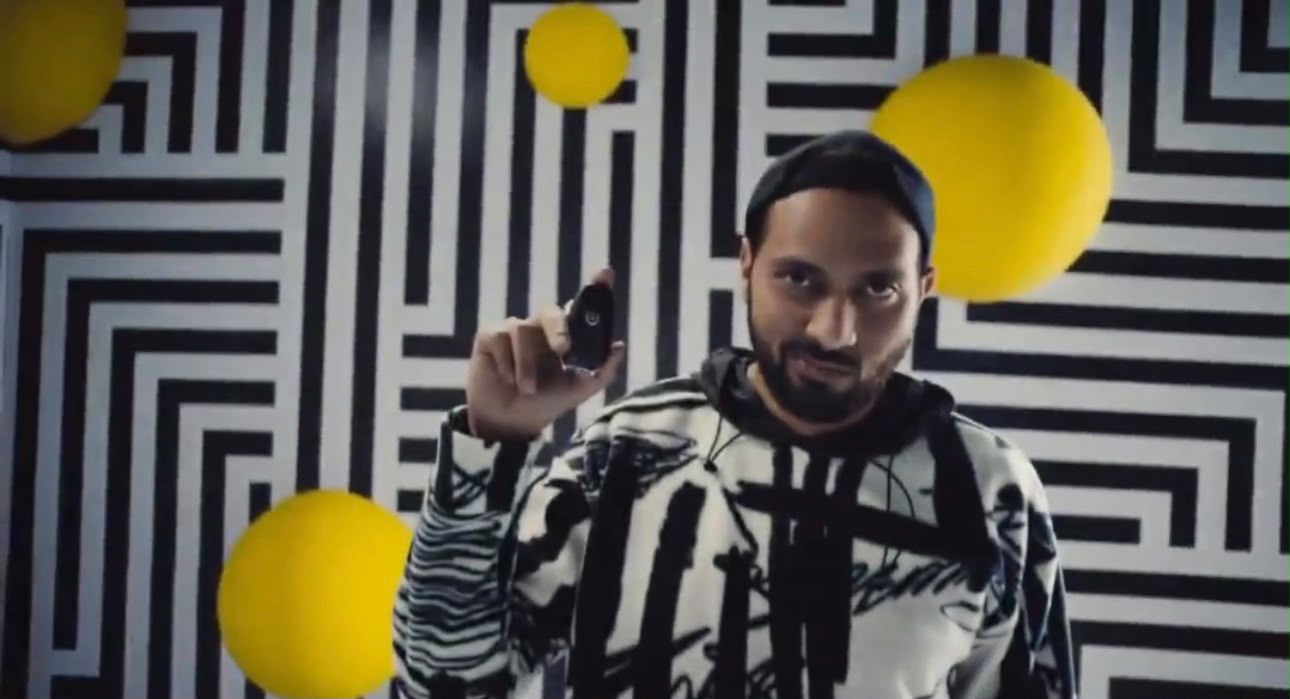
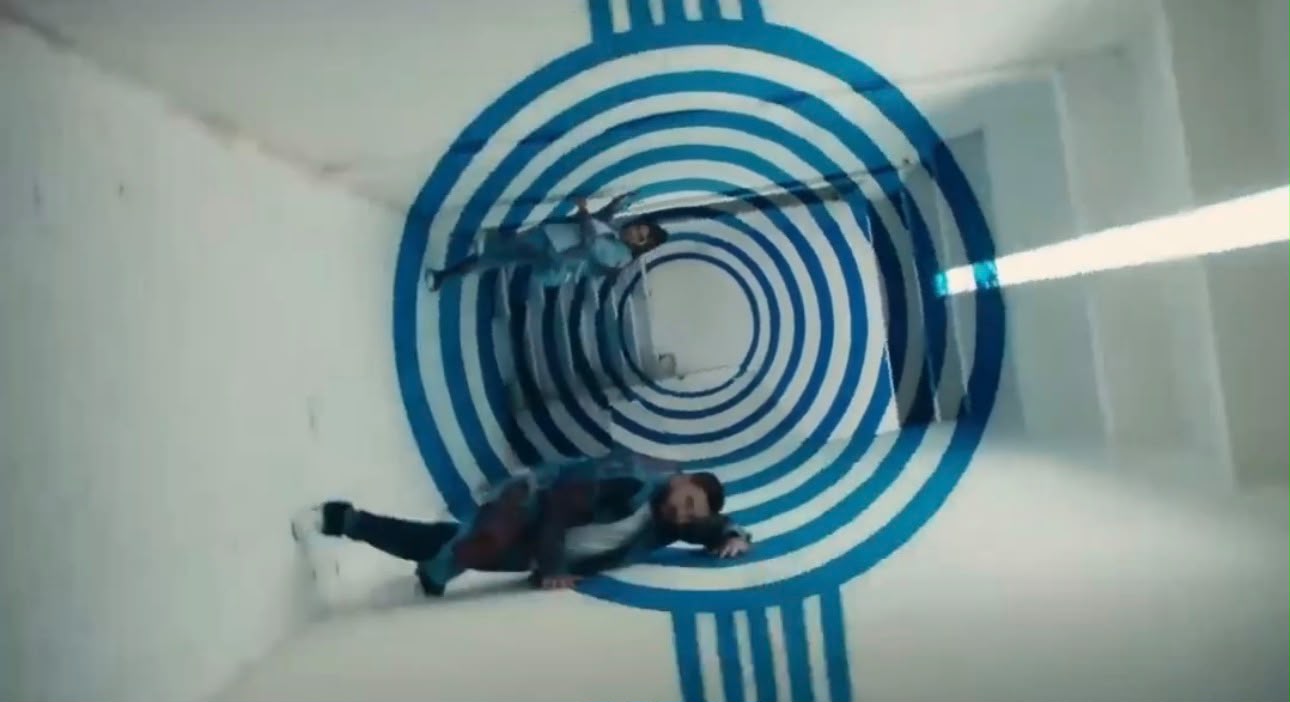
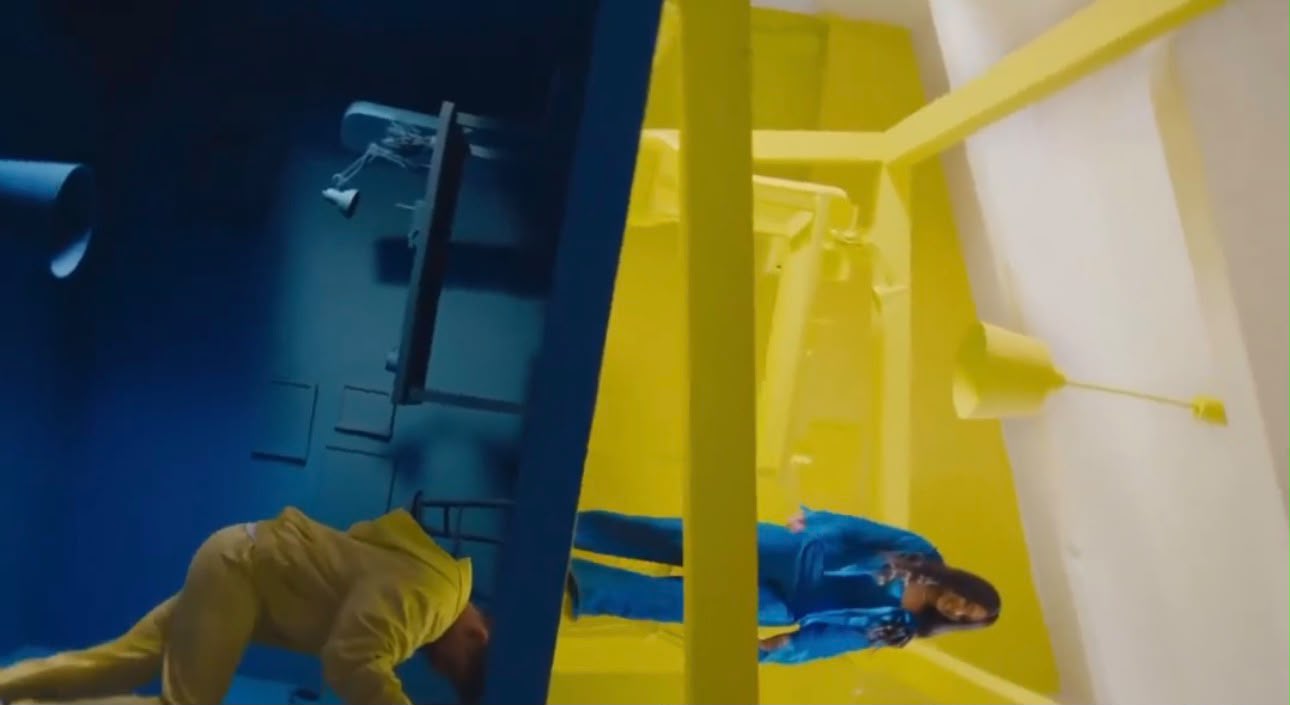
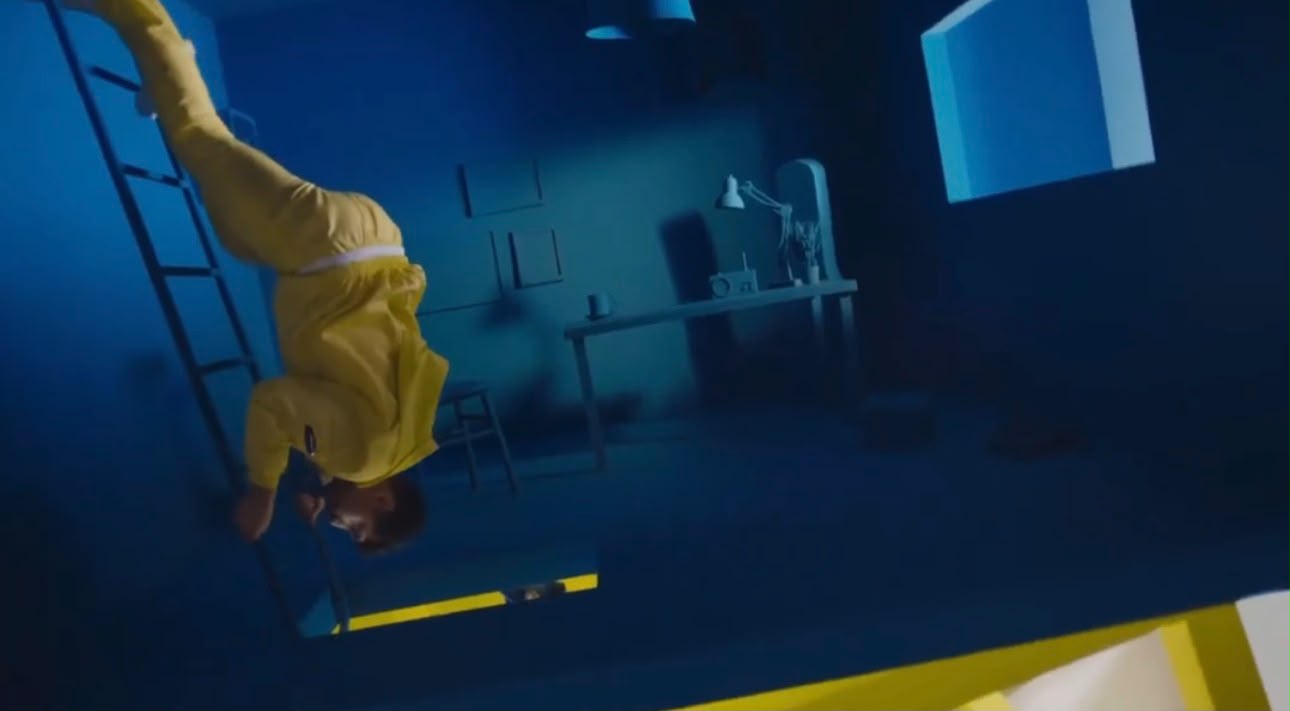
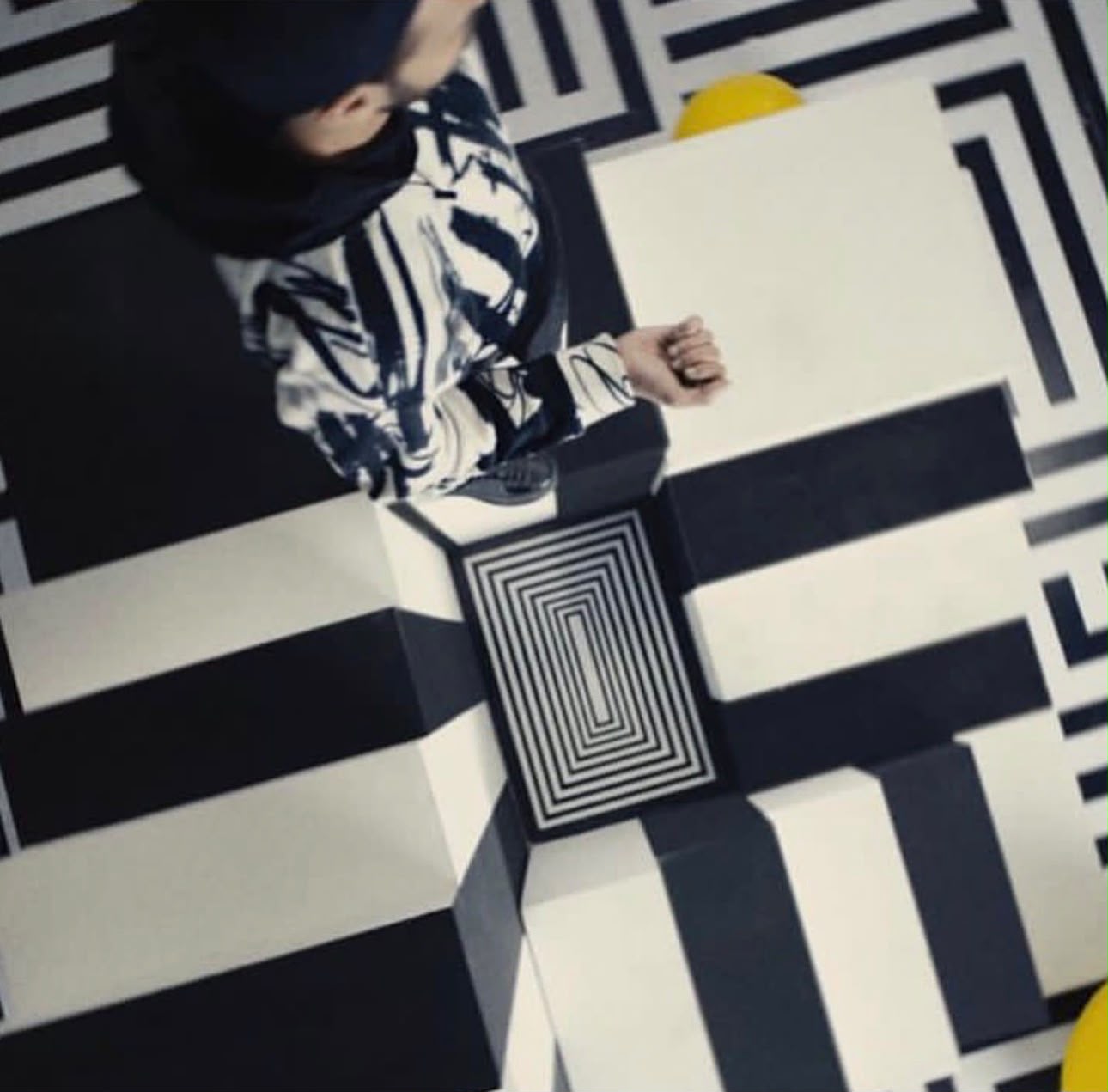
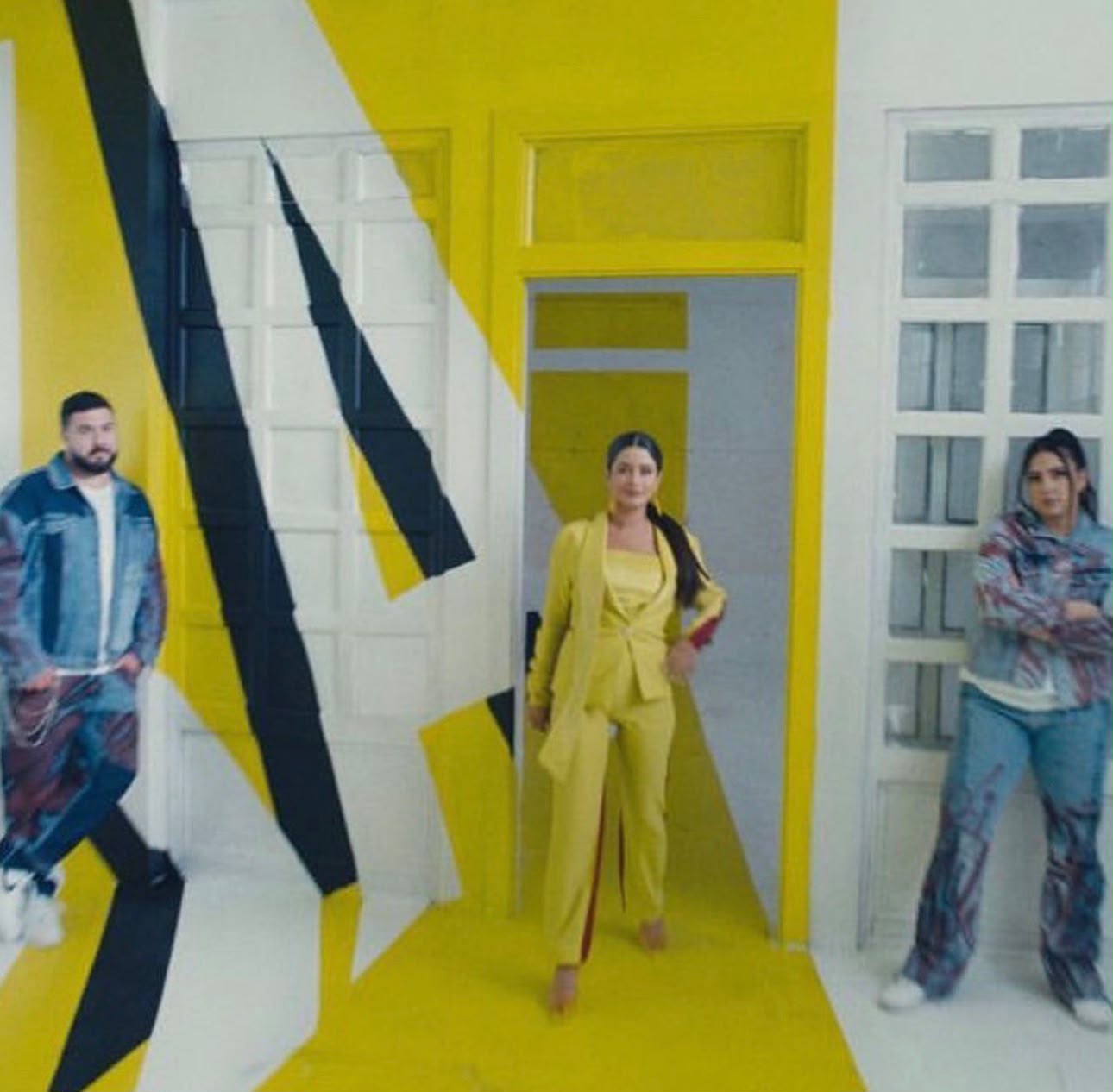
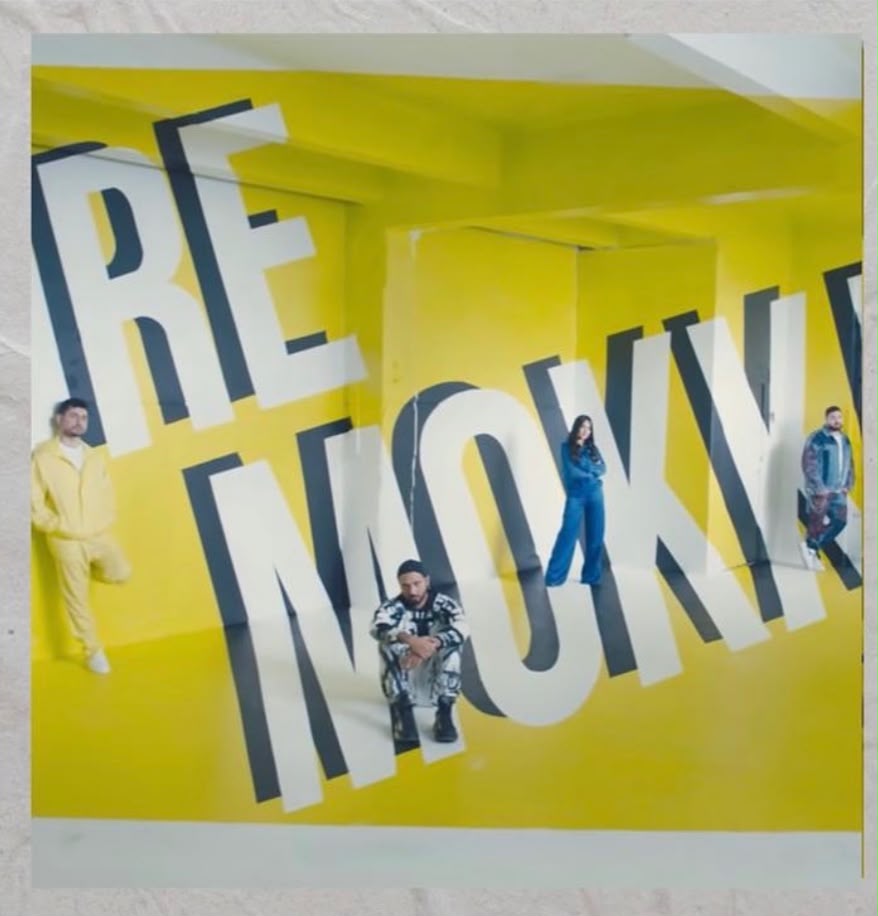
An ad world reduced to pure geometry: flat fields of yellow, blue, black and white, mazes, spirals and optical staircases — the Opel Mokka story told by stripping everything back. Less is more.
Case study →
The Concept
The concept: a world overloaded with colour and noise — and a car that cuts through it. Too many colours and shapes would have buried the story, so every set was reduced to one bold graphic statement: flat fields of yellow, blue, black and white, mazes, spirals and optical patterns — pure geometry, nothing extra. Strip everything back to the essence, and every frame speaks. Less is more.
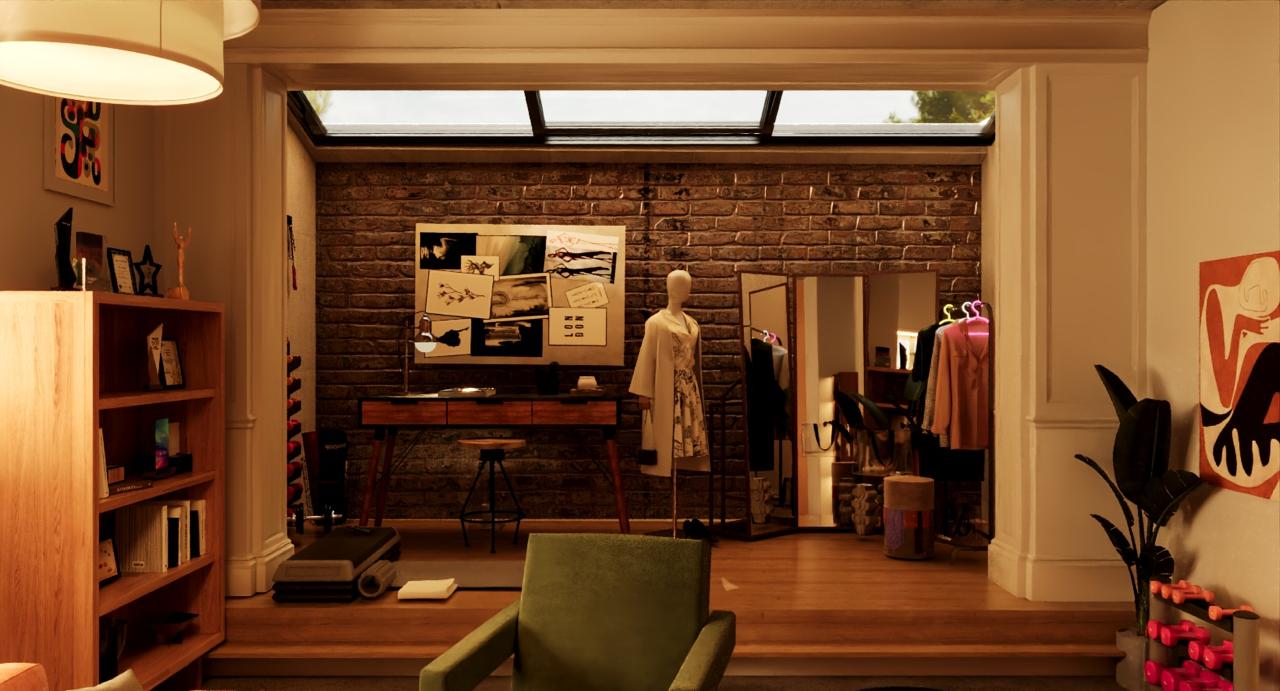
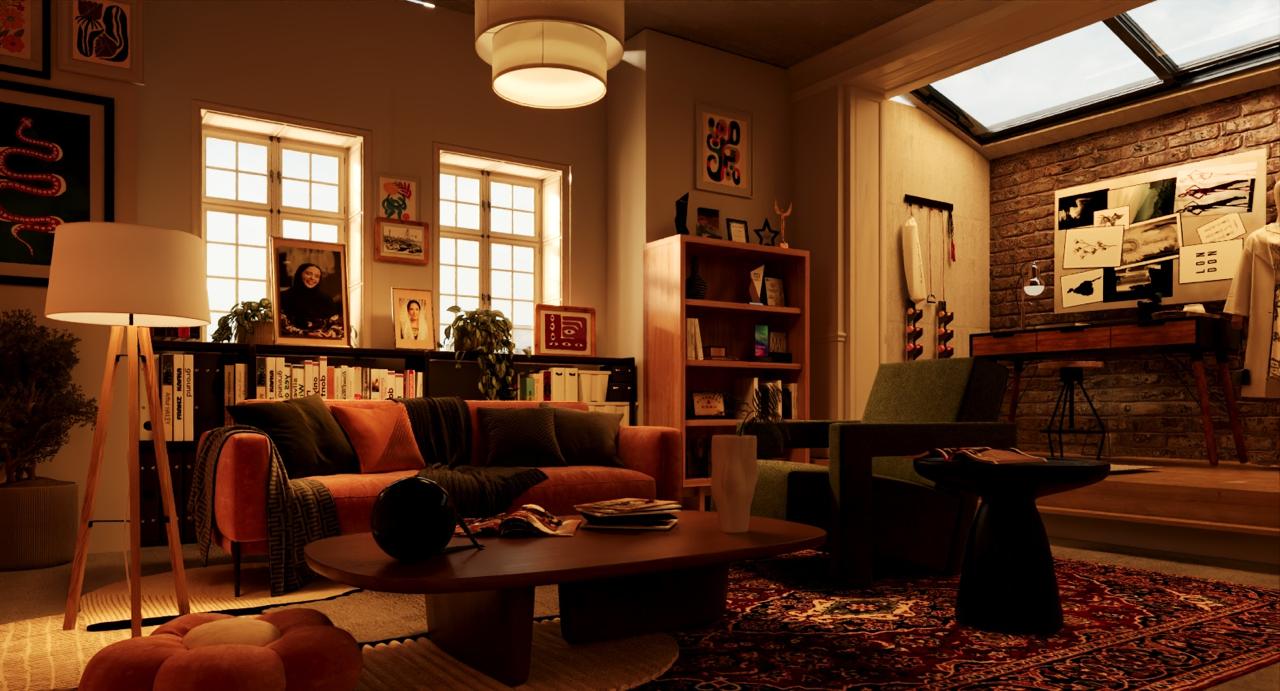
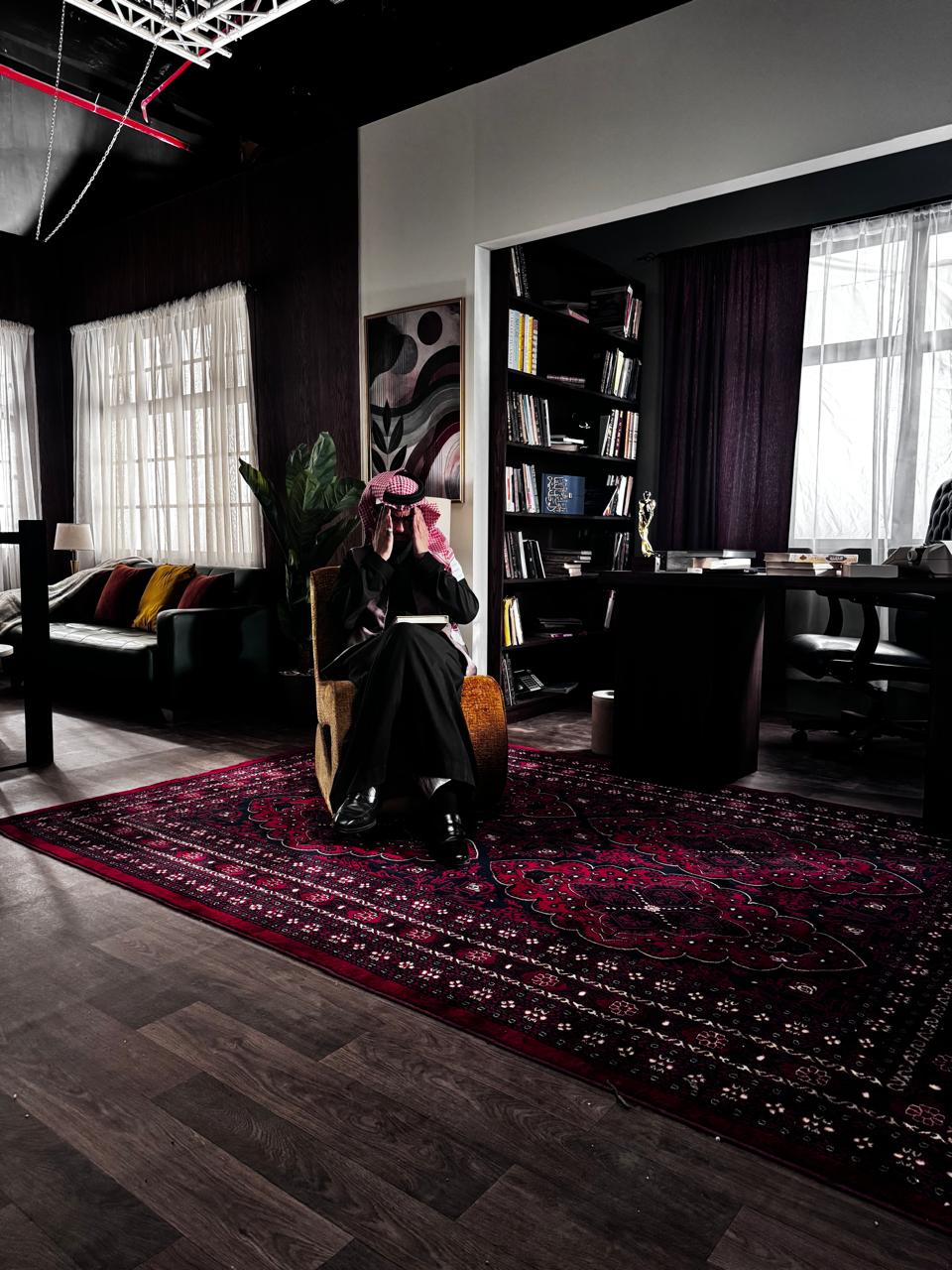
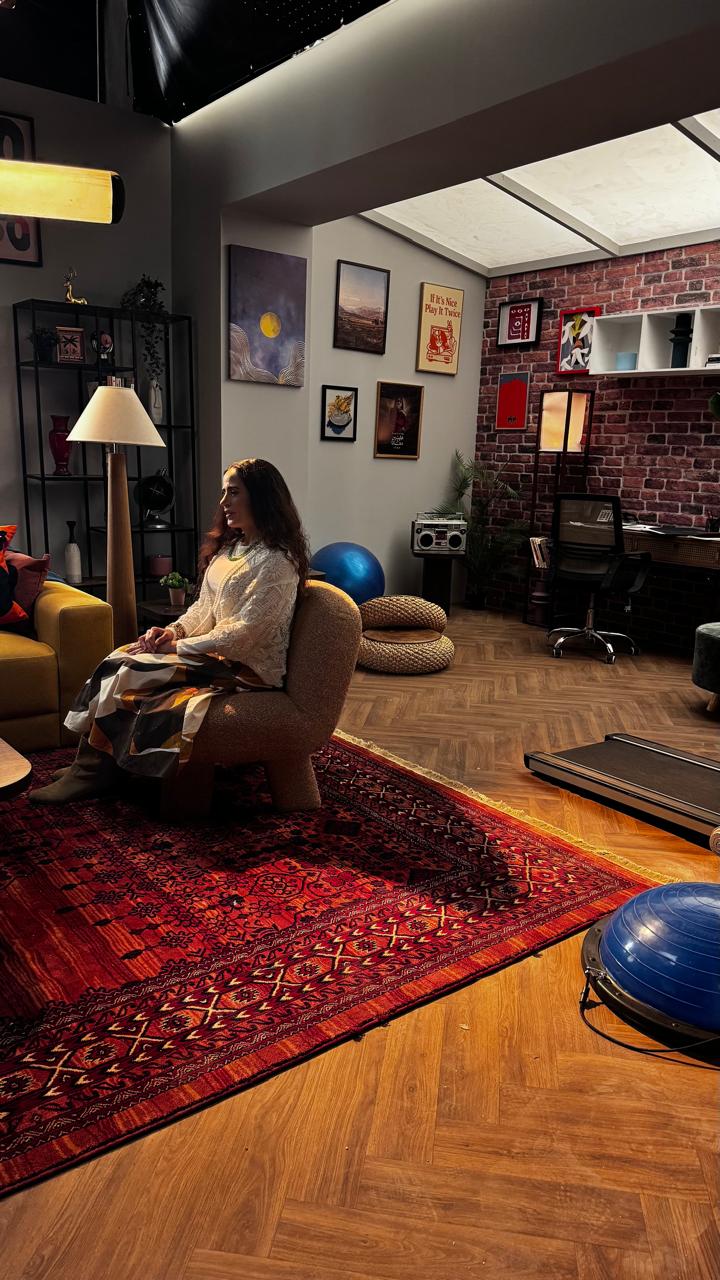
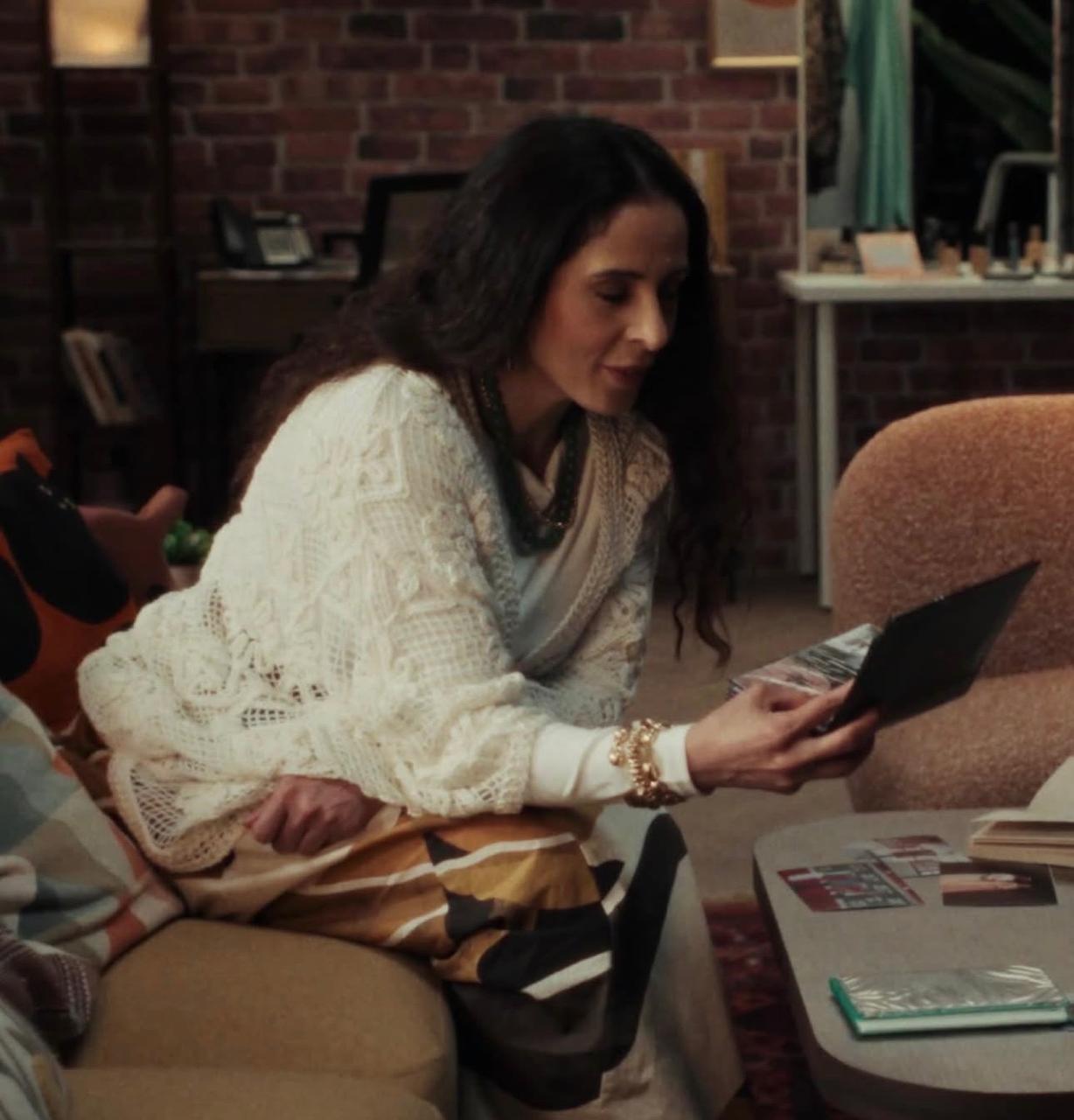
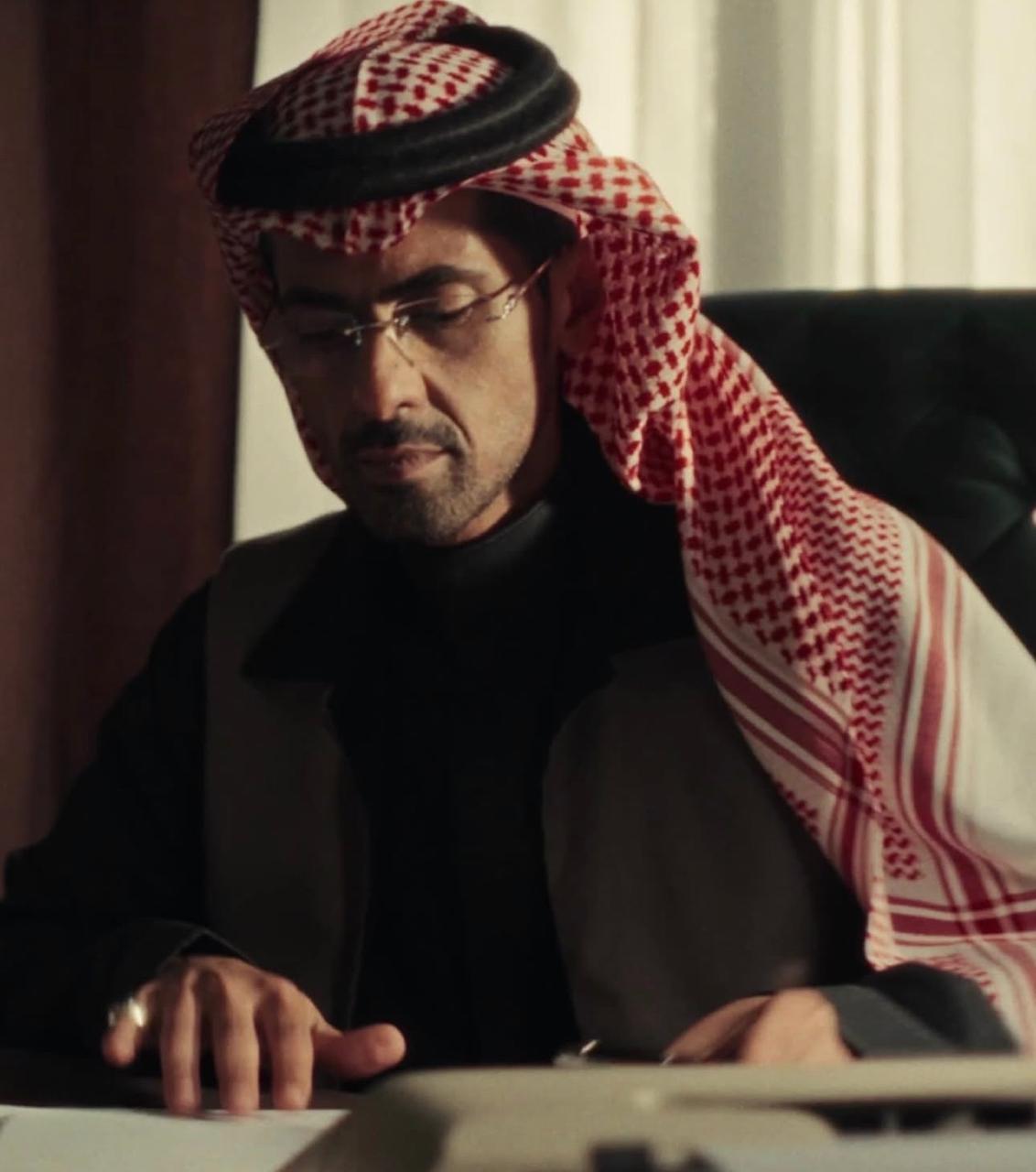
Two Saudi talents playing themselves — actor Aisha Kay and writer Osama Al Muslim — inside sets built as portraits of who they are: a writer's world of books, desks and warm lamplight, and a living creative space of colour and personal memory. Every corner dressed to fit their character.
Case study →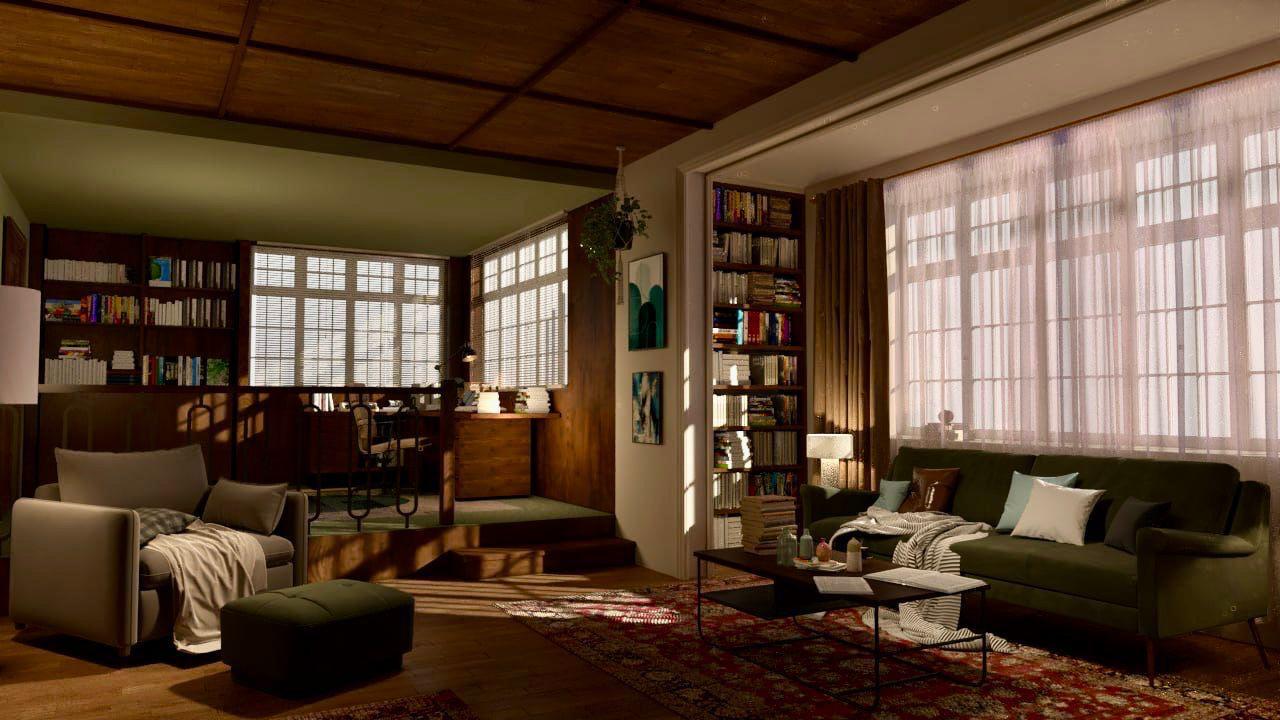
The Concept
The concept: two artists representing themselves on screen — Saudi actor Aisha Kay and Saudi writer Osama Al Muslim — so the spaces had to be as true to them as they are. Every corner was built to fit their character: a writer's study layered with books, a wooden desk and warm lamplight for his world of words, and a living, creative space of warm colour, personal objects and room to move for hers. Nothing generic — each shelf, rug and light was chosen because it belongs to who they are.
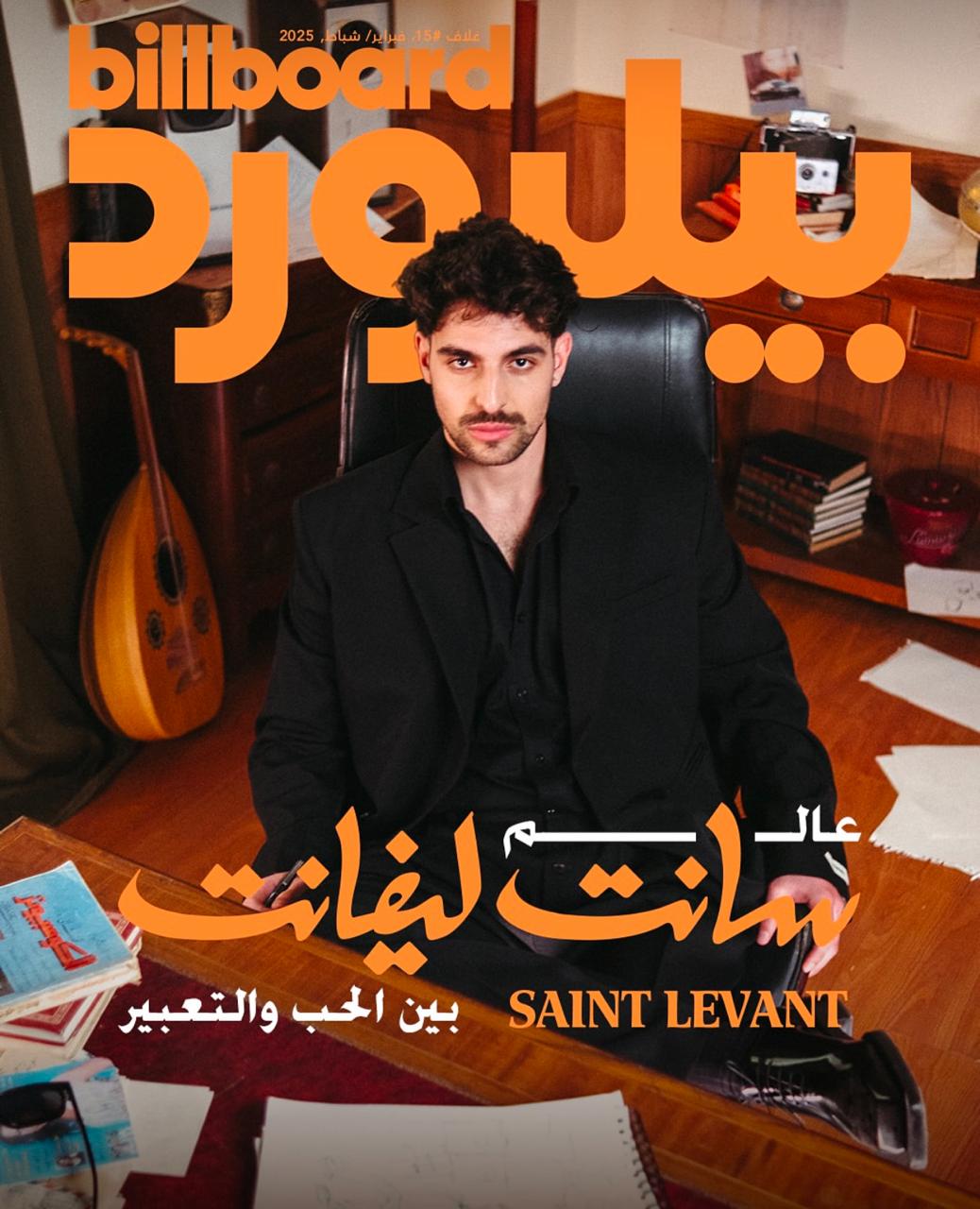
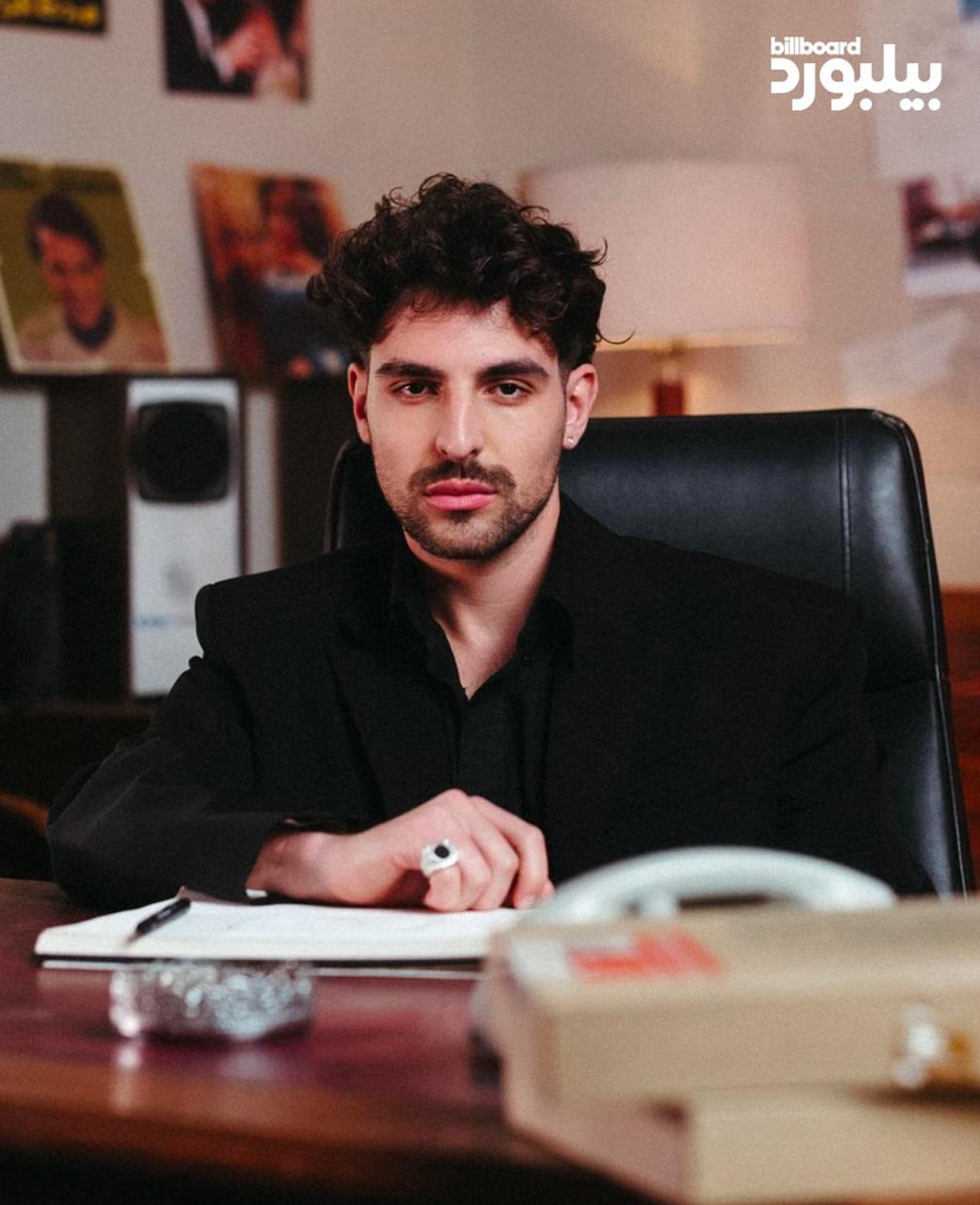
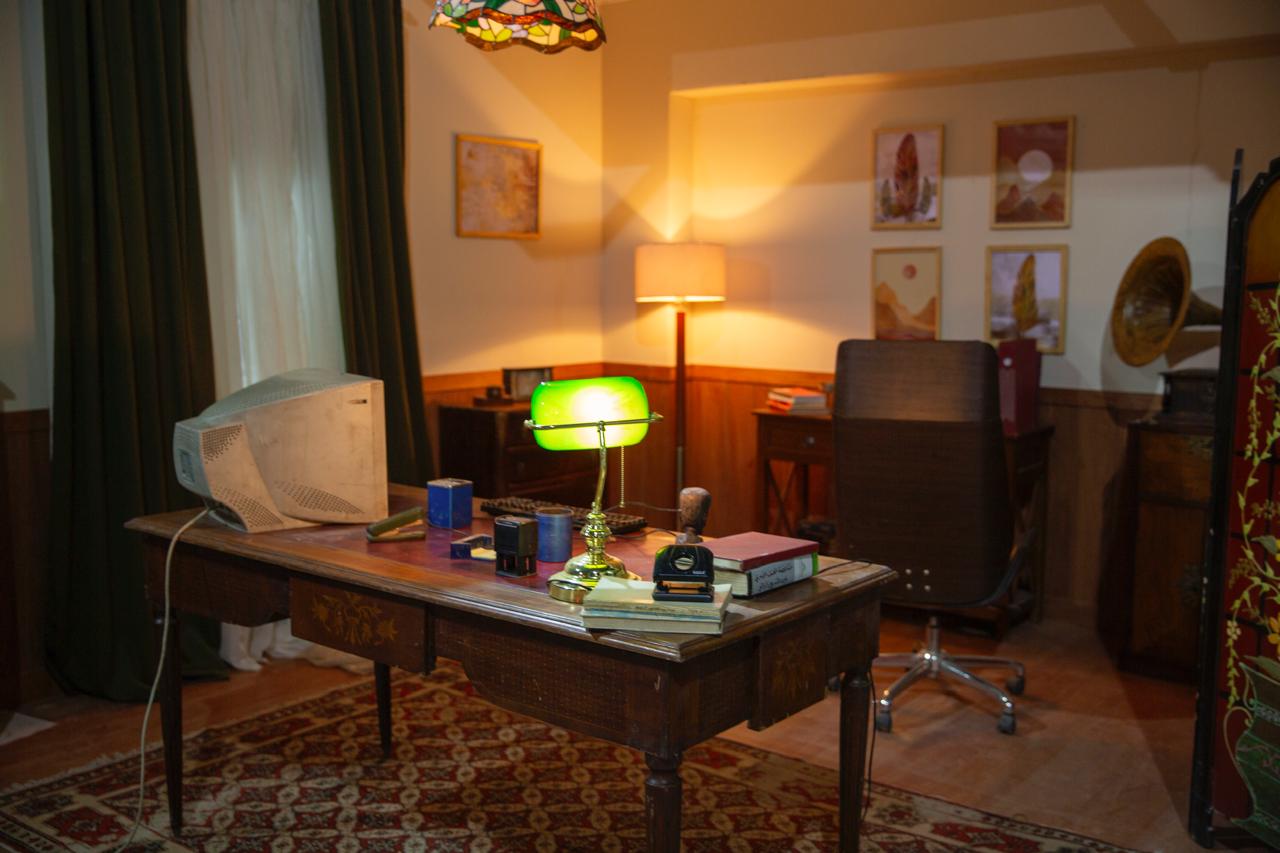
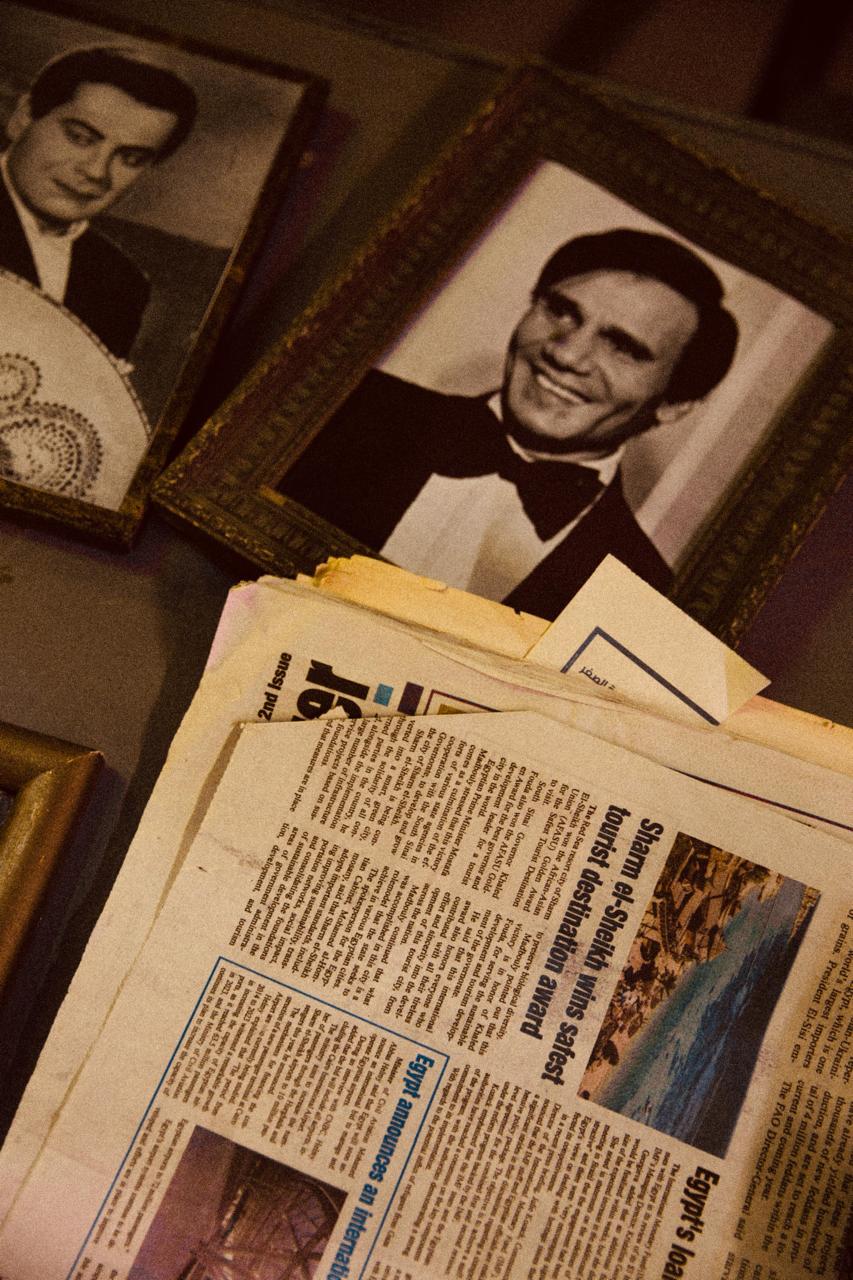
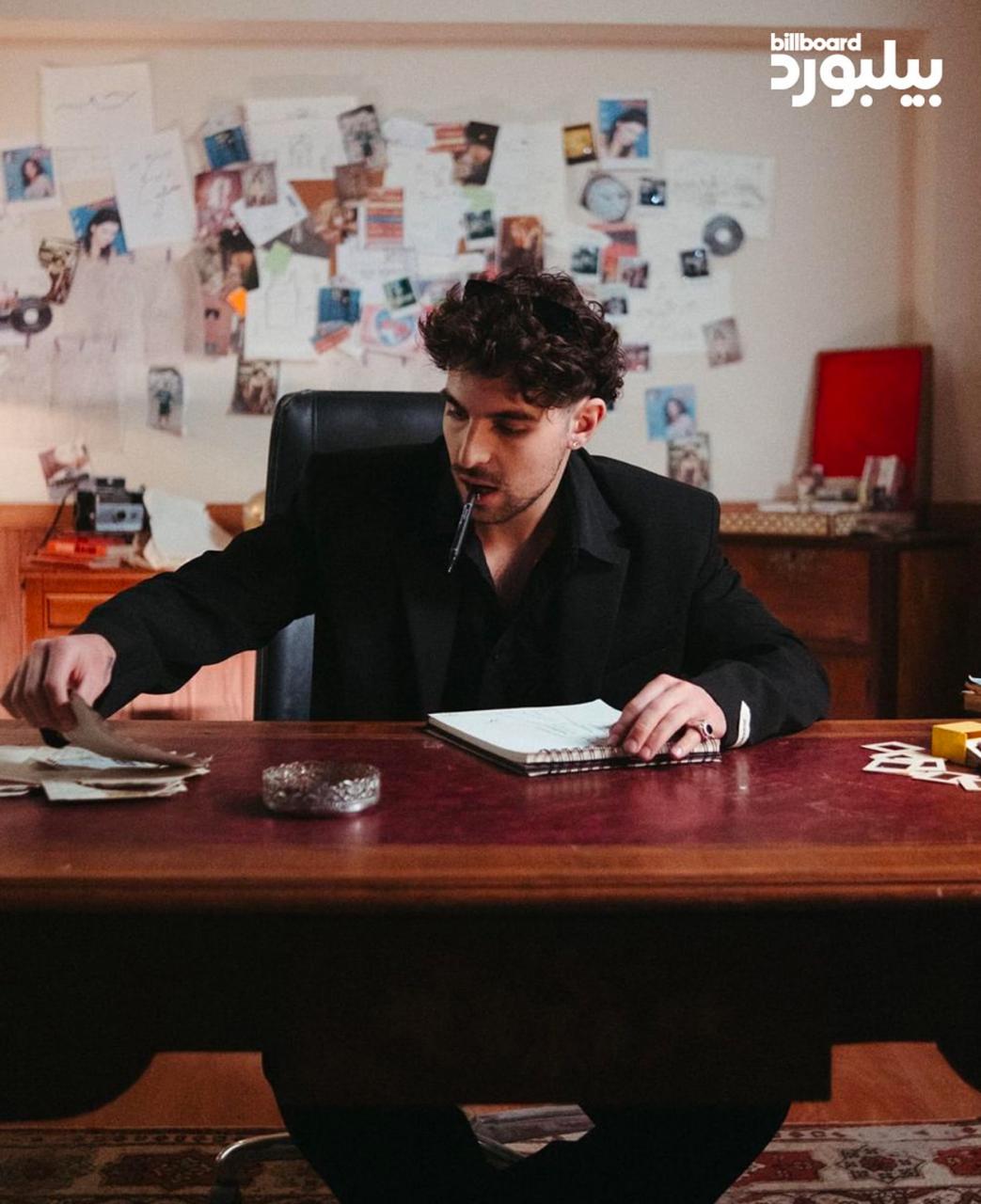
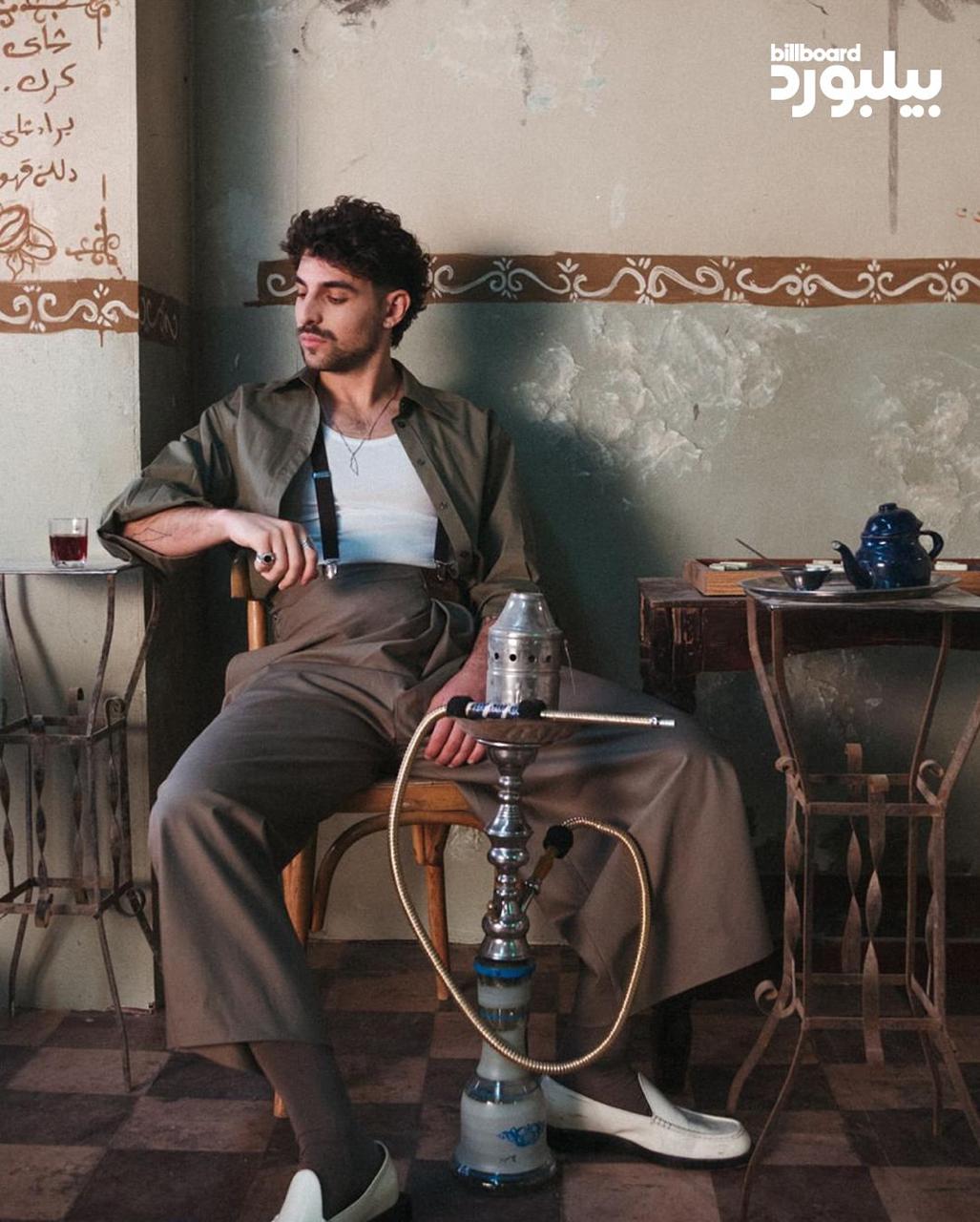
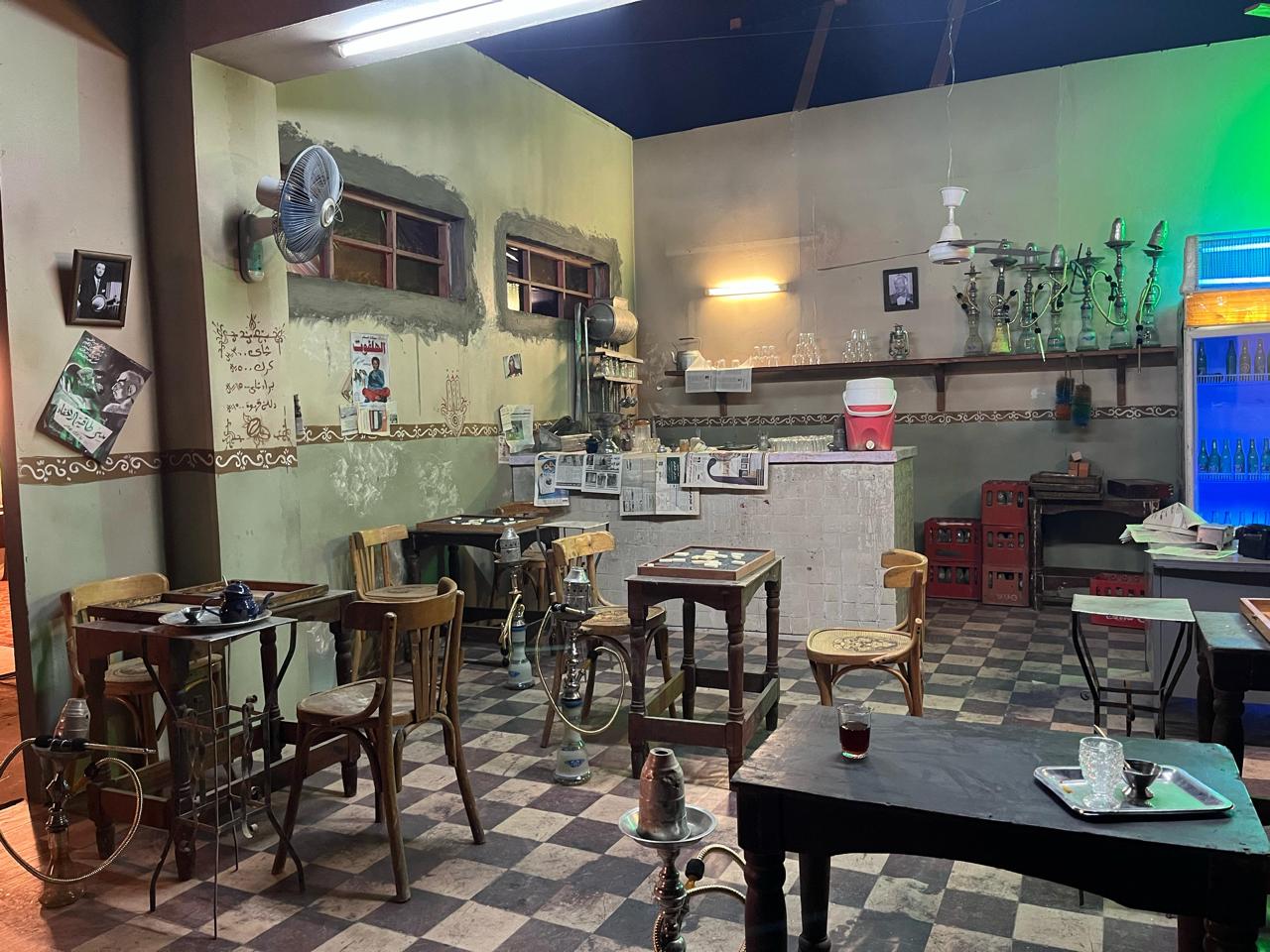
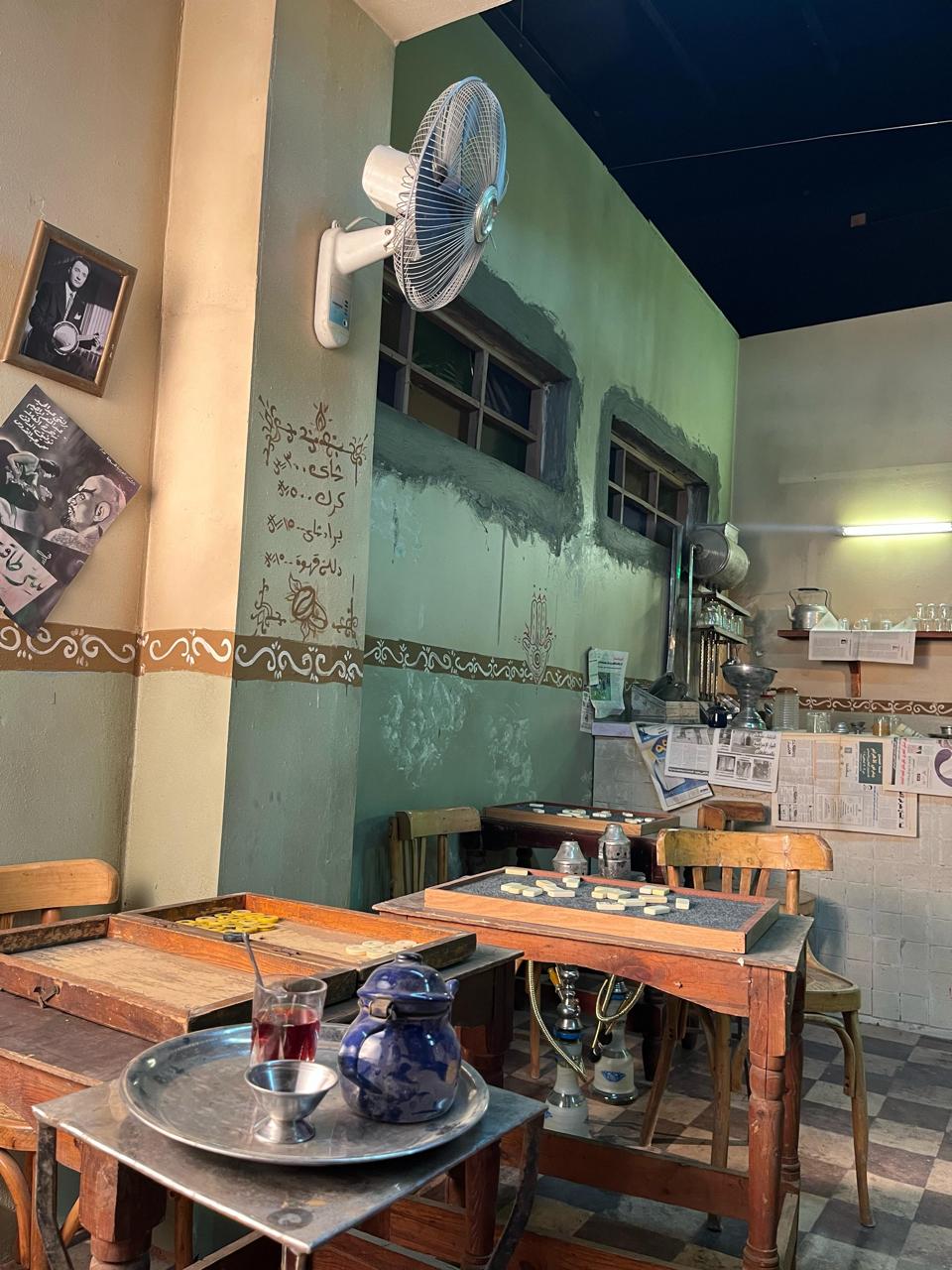
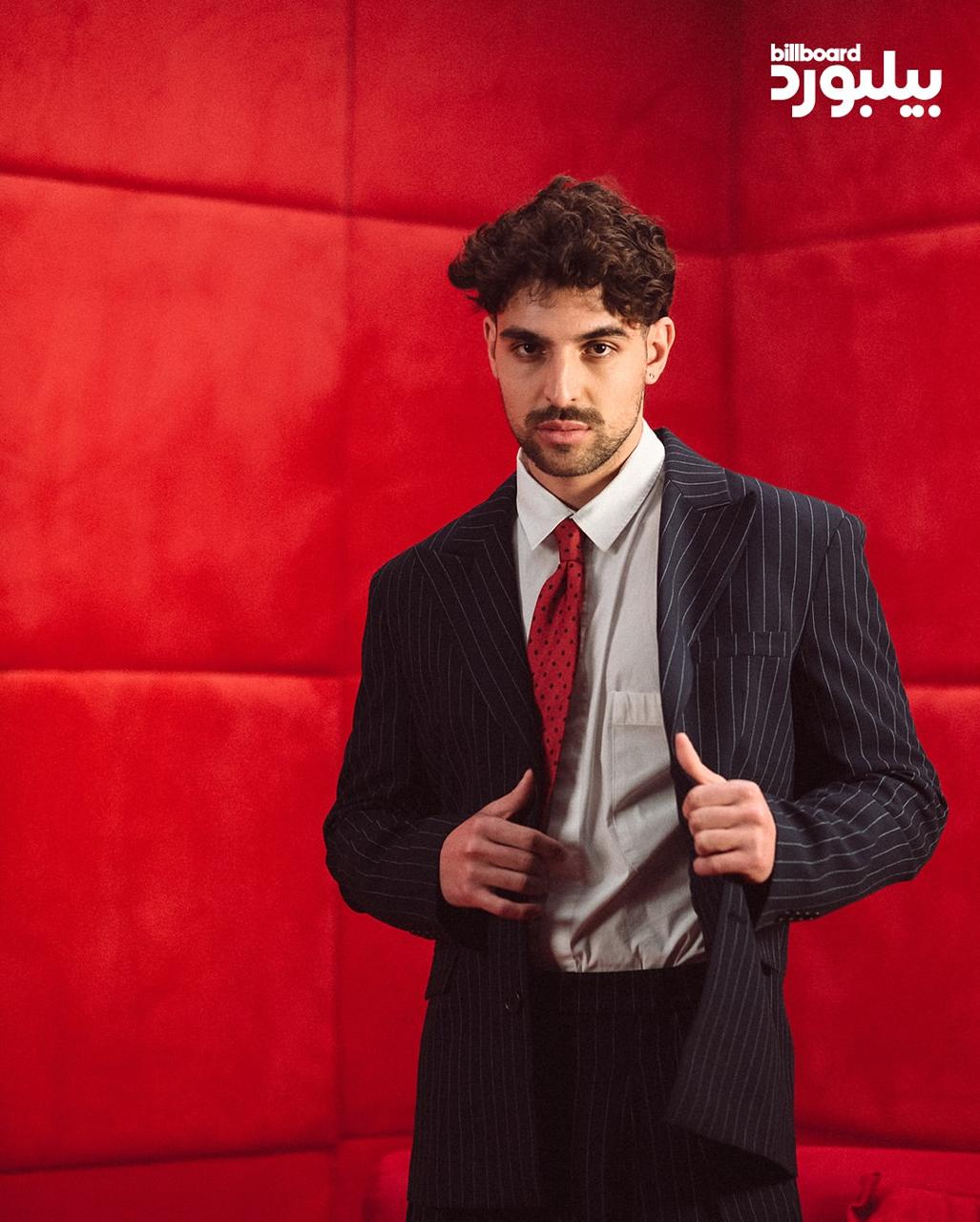
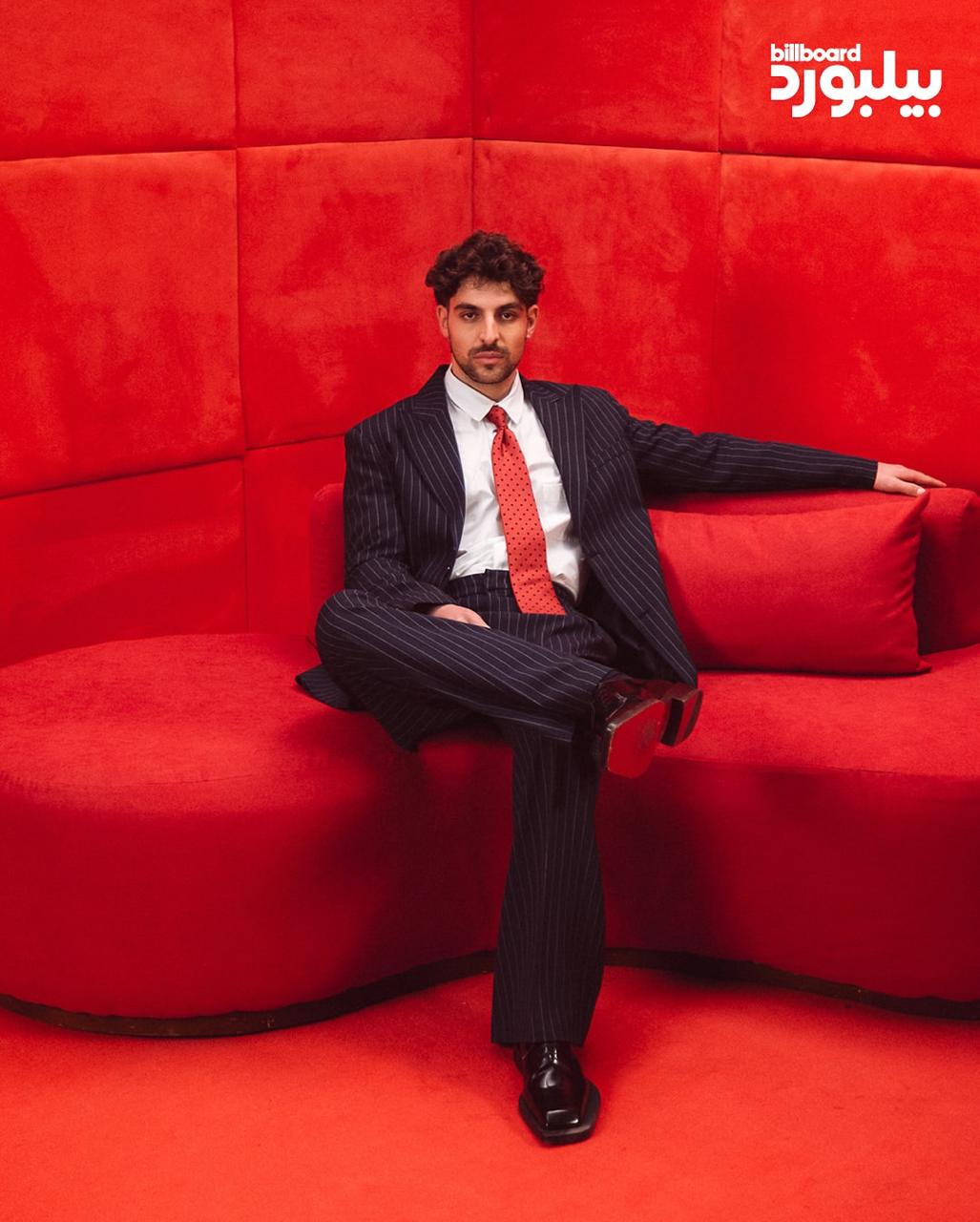
Building the world of St. Levant in many directions — each set a chapter of his character, surrounded by the nostalgic things that raised him, with the deep red rooms reflecting his romance songs.
Case study →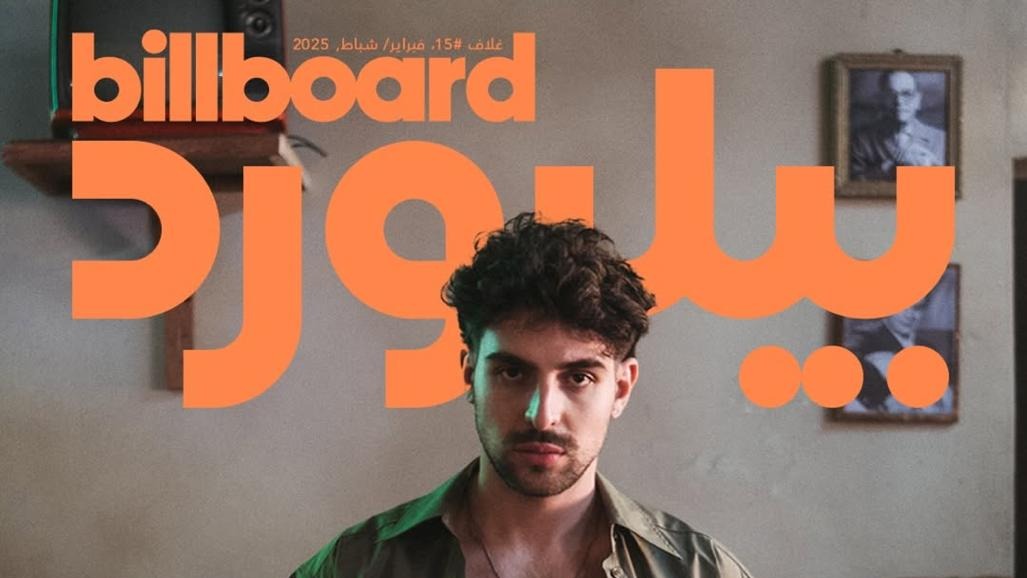
The Concept
The concept: creating the world of St. Levant in many directions — each set built as a piece of his own character and the surroundings that shaped him. A vintage Cairo office with worn leather, records and old photographs; a heritage café with hand-painted walls, brass and tea; a desk wall covered in memories and paper. And then the red — deep velvet rooms that reflect his romance songs, where the whole world turns to love. Nostalgia for the roots, red for the romance: together they make the portrait of who he is.
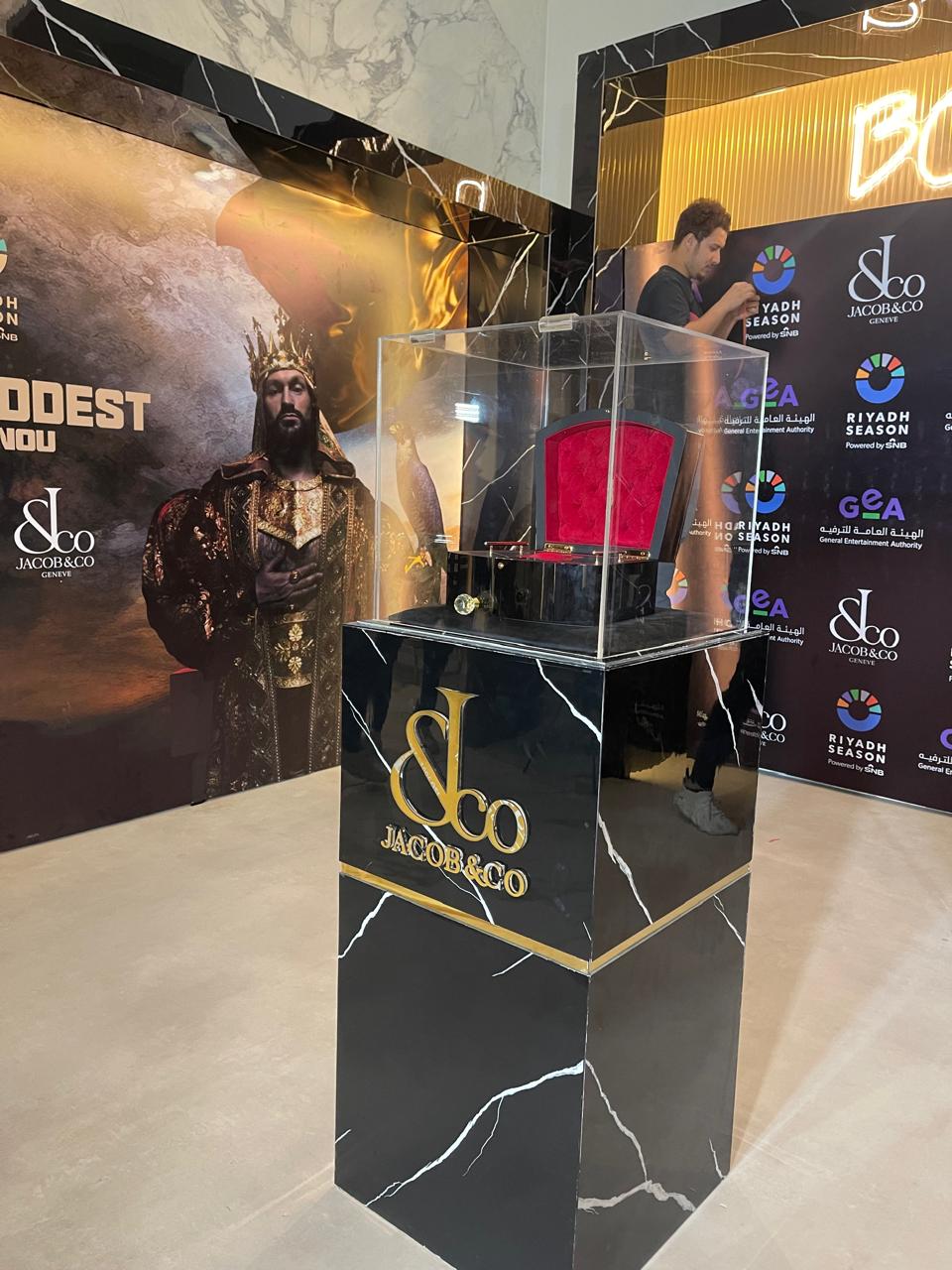
Featured hero props and vehicle builds, weathered and lit for night photography and film units.
Case study →